
Treatment
Normally, acute hives go away after a few days without any treatment. However, if your hives are triggered by any external cause, you should try as much as possible to avoid exposure to such triggering agents.
Your healthcare provider may recommend or prescribe some drugs to help reduce the itching and swelling.
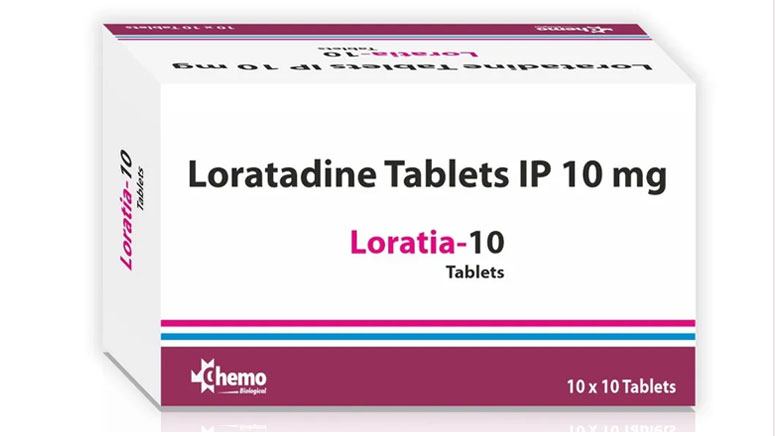
Some over the counter oral antihistamines will help reduce the inflammation. They include;
- Loratadine [5]
- Levocetirizine
- Diphenhydramine
- Cetirizine
- Fexofenadine
Some drugs can only be bought if you have a prescription from your healthcare professional. These drugs are called prescription medication. They include;
- Doxepin
- Eesloratadine
- Hydroxyzine
Other medications along with antihistamines include:
- Cimetidine
- Famotidine [6]
- Nixatidine
- Montelukast
If these medications don’t work for you, your doctor may prescribe a short-term use of steroids, such as prednisone, to help chronic hives.
Also, an epinephrine [7] injection may be given for severe reactions. A biological medication, Omalizumab [8] may be given for chronic hives that are hard to manage with other drugs.
In addition, to reduce the swelling, redness and itching, you can follow the following steps;
- Shower with warm or lukewarm water
- Apply cool compress on the affected areas
- Avoid using hot water to wash affected areas
- Use topical lidocaine to slightly numb the skin and reduce the pain
Hives and rashes are very common skin conditions, but they can be very uncomfortable and distressing. It is important that you see a professional before using any medication.