
Diagnosing Intestinal Gas
You might be wondering how your doctor will diagnose intestinal gas. Usually, your healthcare provider may ask you to keep a food diary for a week or more to see if certain foods and drinks make you gassy. Because excessive can be traced to certain health problems, you may need one or more of the following tests:
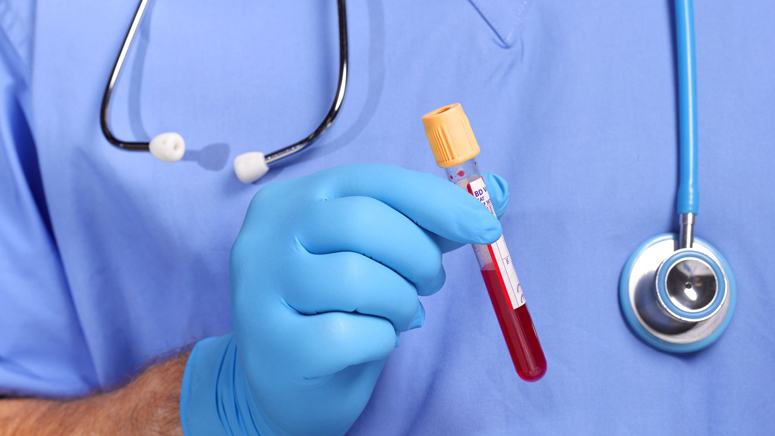
- Tests on the blood: These are used to identify diseases like celiac disease, which can produce flatulence.
- Breath test: A hydrogen breath test detects aberrant bacterial development in the intestines or lactose intolerance.
- Colon screening: Your doctor can see the lower portion of your colon and rectum (lower intestine) via a flexible sigmoidoscopy. A colonoscopy allows the medical professional to see the whole big intestine. These tests aid in the diagnosis of colon cancer as well as gastrointestinal conditions including Crohn’s disease.
- Food elimination: To determine if your gas symptoms go better, your doctor can advise cutting out specific foods. For instance, if you experience less flatulence after giving up dairy, you may be lactose intolerant, meaning your body is unable to digest the lactose sugar found in milk.
- Gastrointestinal (GI) tract exam: If you belch a lot, your provider may perform a gastrointestinal exam called upper GI test or barium swallow. You swallow a solution that coats the esophagus, stomach and part of the small intestine with barium for easier viewing on X-rays.