
Preventive Measures
Here are some easy steps to help prevent heat exhaustion, which in turn prevents heat stroke. They are:
- Drink lots of water – Health professionals recommend at least 8 glasses of water per day. Always carry a bottle of water with you when engaging in outdoor activities like walking, jogging, or running. You must increase your daily water intake during hot weather to prevent dehydration.
- Avoid alcohol or caffeine – Go on an alcohol-free and caffeine-free diet if you want to stay hydrated. Both are diuretics, which require consumers to take extra amounts of water to avoid dehydration. It may be difficult to keep up with the hydration demands during hot weather, as your body needs all the water it can get.
- Limit outdoor activities during a sudden change to hot weather, rather engage in indoor activities in a temperature-controlled or air-conditioned environment. Avoid direct sunlight at all times during this period.
- Wear light-colored, loose, and lightweight clothing indoors and outdoors. Accessories like a wide-brimmed hat, sunshades, and maybe an umbrella will help keep direct UV rays away from your face and help you stay cool.
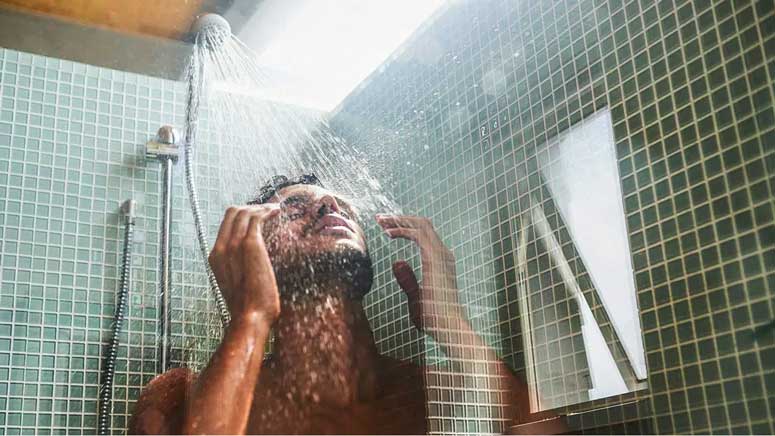
- Take frequent cold showers on hot days to avoid dehydration or a rise in body temperature.
- Avoid long runs and exercises in the hot sun, rather take as many breaks as possible to prevent heat exhaustion.
Treatment
Treating heat exhaustion can be easy as there are many home remedies to help alleviate symptoms in a short time. They include: [5]
- Taking off heavy clothes
- Turning on the air conditioning
- Laying down
- Taking breaks from high-intensity activities
- Drinking water or sports drinks for electrolytes
Once heat exhaustion has worsened into a stroke, you must treat it as a medical emergency. Visit your doctor immediately for the proper diagnosis and treatment method for heatstroke. A heatstroke cannot be managed at home.
Reference:
[1] https://www.ccmhhealth.com/heat-exhaustion-vs-heat-stroke/
[2] https://www.hopkinsmedicine.org/health/conditions-and-diseases/dehydration-and-heat-stroke?amp=true
[3] https://www.mayoclinic.org/diseases-conditions/heat-stroke/symptoms-causes/syc-20353581
[4] https://www.cdc.gov/niosh/topics/heatstress/heatrelillness.html
[5] https://www.healthline.com/health/heat-stroke-vs-heat-exhaustion