
Lack of Air Conditioning
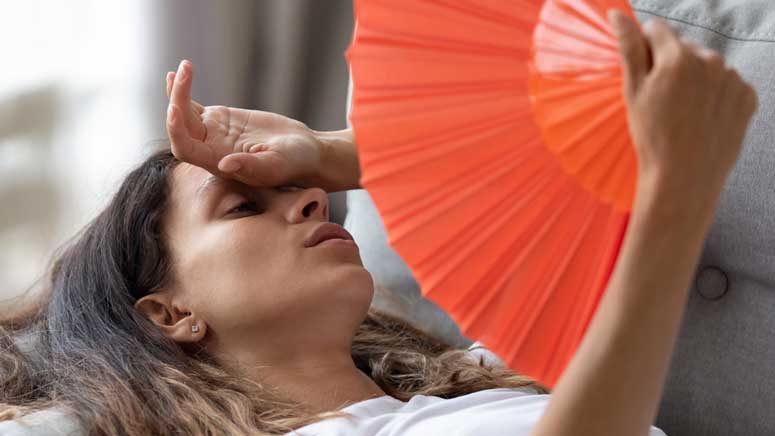
Houses without air conditioning put the occupants at risk of getting heat injuries. Although ceiling or standing fans may make you feel better, during sustained hot weather, air conditioning is the most effective way to cool down and lower humidity.
Medication
Some medications may alter your body’s normal response to heat and affect the ability to stay hydrated. You should steer clear of drugs that narrow your blood vessels, known as vasoconstrictors. Stimulants for attention-deficit/hyperactivity disorder (ADHD) and illegal stimulants such as amphetamines and cocaine also put you at risk to get a heatstroke.
Health Conditions
Patients battling chronic respiratory illnesses can easily get heat-related injuries. Obesity is another health condition that puts strain on your heart, making it difficult for your body to cool down when you experience heat exhaustion.
Diagnosis
Heat exhaustion may be self-diagnosed and managed with some simple home remedies. Where the symptoms last longer it could be a sign of an impending heat stroke, which must be checked immediately. [4]
Common symptoms of heat exhaustion include hot body temperature, rapid breathing, and excessive sweating. Your medical practitioner is likely to diagnose heat exhaustion simply by the signs but may recommend a few tests for a proper diagnosis.
Such as;
- A blood test to check your sodium or potassium levels to help determine if you are dehydrated.
- You may be asked to pee in a cup for testing. Deep yellow urine may be a sign of dehydration while clear urine shows you’ve taken adequate daily amounts of fluids.
- Muscle function tests may be performed.
- Kidney examination to check the state of the organ.
- X-rays and other imaging tests to get a clear look at the organs and determine any internal damage.