
How to treat endometriosis?
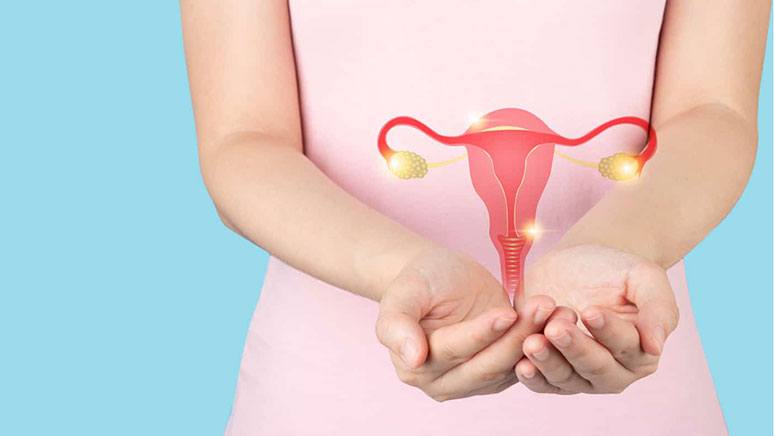
You can talk to your healthcare provider to help you create a treatment program for endometriosis. The doll factors are considered when creating a treatment plan:
- The severity of your symptoms (usually pain)
- The severity of your endometriosis
- Your age
- Your plans for future pregnancies
In most cases, your doctor creates a treatment program that helps manage your pain and treat fertility problems (if you want to have children in the future). Most treatment plans involve surgery and medications.
Your doctor will prescribe certain drugs to manage the symptoms of endometriosis. These drugs may include pain drugs and hormone therapies:
The following medications offer hormonal therapy for endometriosis:
- Danazol (Danocrine®): This is another type of hormonal medication that halts the synthesis of the hormones that trigger menstruation [3].
- Birth control: There are different types of hormonal suppression options. Some of them may include progesterone [4] and estrogen or progesterone-only options. Birth control is availayin vaginal rings, birth control shots, patches, vaginal rings, birth control pills, IUDs, or Nexplanon implants [5]. This hormonal therapy reduces pain and makes periods less painful. People trying to get pregnant should avoid this option.
- Gonadotropin-releasing hormone (GnRH) medications: This drug is administered to inactivate the hormones that cause your menstrual cycle. It puts your reproductive system on hold and reduces your pain. GnRH drugs can be taken as a nasal spray, a shot, or an oral pill.
If you stop taking any of these drugs, your symptoms may come back. These drives should not be taken by pregnant women or women trying to get pregnant. You can speak to your doctor to know about the advantages and disadvantages of each drug.
The following drugs are prescribed to reduce pain in endometriosis:
- Over-the-counter pain relief.
- Non-steroidal anti-inflammatory drugs (NSAIDs) [6].
In some cases, your doctor may recommend surgery as a way to treat your endometriosis. While there are several complications that can result from surgery, it is an effective method of reducing pain and improving fertility.
Endometriosis is clinically referred to as a severe disease. In most cases, surgery reduces the pain but symptoms may come back after some years. The chances of your symptoms coming back depending on the severity of the condition. Your doctor may perform a pelvic floor examination to confirm the severity of your condition. The examination can be done with or without drugs for central nerve pain.
The following surgical options can help treat endometriosis:
- Laparoscopy: This procedure involves making a small cut in your abdomen and inserting a thin tube-like tool known as a laparoscope. This tool is used to view your body inside and identify endometriosis. It uses a high-definition camera. Other 5-millimeter instruments can be used to excise and remove lesions.
- Hysterectomy: If the endometriosis is severe, your doctor may recommend completely removing the uterus. Your doctor will consider the number of endometriosis and scar tissue before performing Hysterectomy. You may also need to undergo a hysterectomy if you have other uterine conditions such as adenomyosis. Areas where the endometrial-tissue like substance occurs will be removed to boost pain relief.