
Treatment for High Bilirubin in Infants
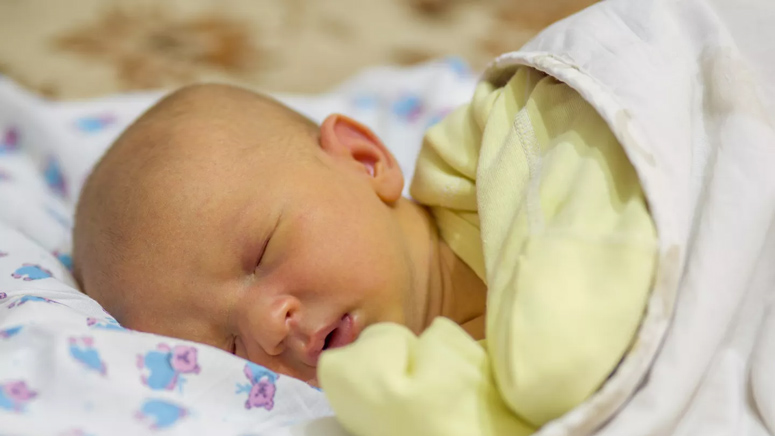
To lower neonates’ bilirubin levels, phototherapy is typically used. Your baby is placed beneath a fluorescent bulb that emits white or blue light by a medical professional. To enable excretion by the body without conjugation in the liver, the light aids in the breakdown of bilirubin into a water-soluble state. By doing this, you can stop unconjugated bilirubin from depositing in the developing brain of your baby.
Conclusion
It is imperative to get a bilirubin test when you have observable jaundice (yellowing of the skin and eyes). When bilirubin levels rise to two to three times the recommended range, jaundice becomes apparent. In this range, your urine may also seem darker or tea-colored. However, there may not always be any outward signs of having excessive bilirubin. The results of a bilirubin test can support your doctor’s concerns that particular disorders are to blame and help identify the exact problem.
Reference:
[1] https://www.webmd.com/digestive-disorders/gallstones
[2] https://www.mayoclinic.org/diseases-conditions/cirrhosis/symptoms-causes/syc-20351487
[3] https://www.nhs.uk/conditions/hepatitis/
[4] https://www.plannedparenthood.org/learn/birth-control/birth-control-pill
[5] https://www.childrenshospital.org/conditions/hemolytic-disease
[6] https://www.nhs.uk/conditions/crohns-disease/
[7] https://my.clevelandclinic.org/health/diseases/15265-gallbladder-swelling–inflammation-cholecystitis
[8] https://medlineplus.gov/ency/article/000290.htm