
Signs and symptoms
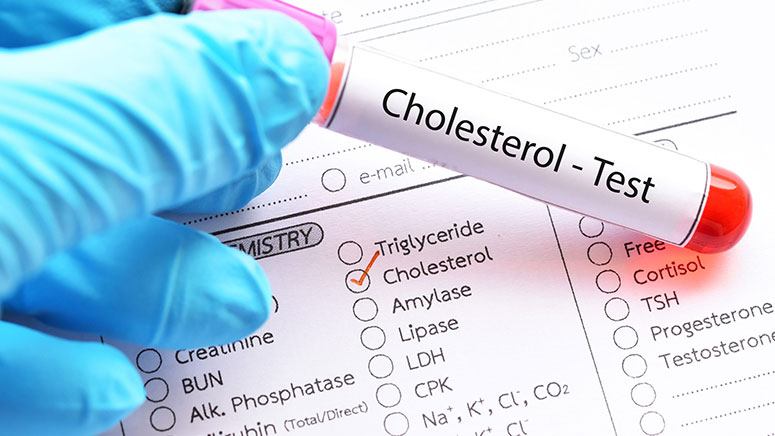
In most cases, hyperlipidemia does not show symptoms until it starts to develop emergency health complications, like stroke or heart attack. These complications usually occur when high levels of cholesterol leads to the accumulation of plaque in your arteries and blocks the flow of blood. Your doctor will conduct a blood test to know if your blood cholesterol levels are healthy. According to the 2018 guidelines published in the Journal of the American College of Cardiology (JACC), a blood cholesterol level higher than 240 ml/dL is high, and levels higher than 200 mg/dL is elevated. However, these levels usually depend on numerous factors. The Center for Disease and Control suggests that you should start getting a cholesterol test at the age of 20. You can then continue:
- Every 5 years if you are are not prone to cardiovascular disease
- More regularly than every 5 years if you have cardiovascular disease risk factors
In some cases, tests are appropriate for adolescents and children. According to the CDC, 1 out of 5 adolescents develop high cholesterol levels in the United States.
It would help to contact our doctor for a cholesterol test if:
- Your family has a history of early heart attacks or heart disease
- Your child has diabetes [3]
- Your child has excess weight or obesity [4]