
After limb-lengthening surgery
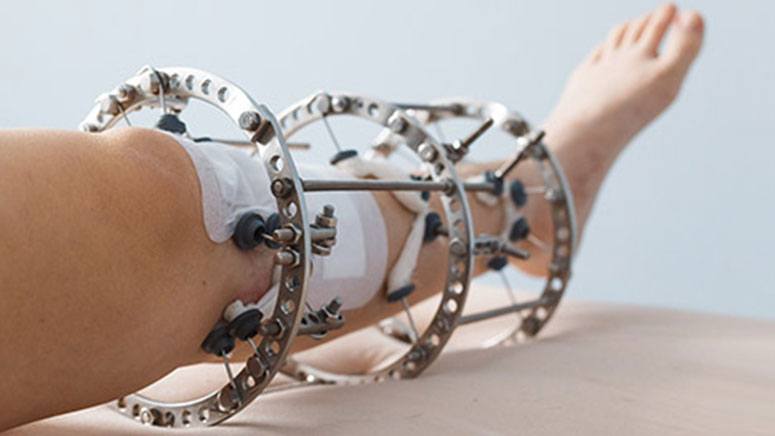
You’ll receive guidance from a doctor regarding how much activity is appropriate after surgery. Following surgery, you may occasionally need to stay in the hospital for a few days for observation and physical rehabilitation.
Most people will only be able to perform minimal exercise and may need to use crutches to go around. To encourage the formation of bones, a doctor may also advise taking calcium and vitamin D supplements.
Splints and braces could be necessary for some people. In order to stretch the legs, the doctor will also use “distraction.” The fixator or nail is moved in this manner. After the operation, a doctor will start this process. You may need to schedule several more appointments for adjustments.
Your doctor may increase your exercise level to include full weight-bearing movement as your body continues to heal. To increase exercise levels, your doctor could also advise physical therapy [8].
Outlook
From the initial surgery until the removal of an implant or fixator, the process to even out limbs typically takes one year. Depending on the surgical technique and the patient’s response to treatment, the time may vary. The approach necessitates repeated visits to the doctor’s office, necessitating a serious commitment from the patient. According to the Hospital for Special Surgery, limb-lengthening surgery has a 95 percent success rate.
References
[1] https://jorthoptraumatol.springeropen.com/
[2] https://www.mayoclinic.org/diseases-conditions/cerebral-palsy/symptoms-causes/syc-20353999
[3] https://www.who.int/health-topics/poliomyelitis
[4] https://www.webmd.com/children/dwarfism-causes-treatments
[5] https://medlineplus.gov/ency/article/001577.htm
[6] https://www.aans.org/Patients/Neurosurgical-Conditions-and-Treatments/Scoliosis
[7] https://my.clevelandclinic.org/health/treatments/15286-anesthesia
[8] https://www.medicalnewstoday.com/articles/160645