
Urine and blood tests
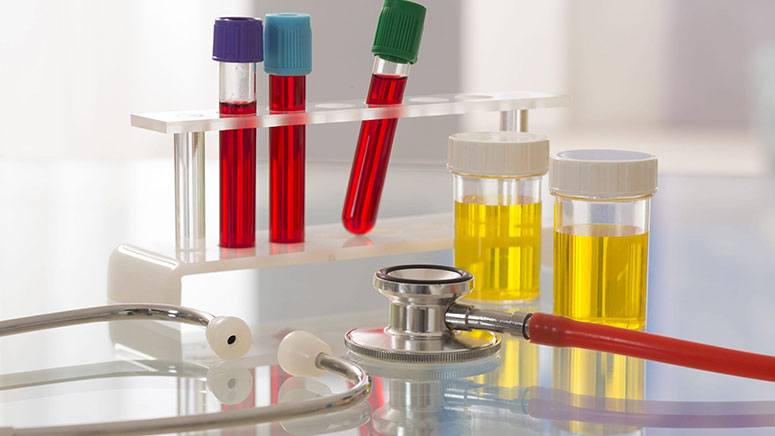
Your urine and/or blood may be needed to check the hormone levels to know whether there is an excess production of cortisol. You may be instructed to collect your urine over a 24-hour period and submit it for testing. The urine and blood samples will be sent to a laboratory to be analyzed. If this isn’t enough, your health practitioner may recommend additional tests that involve measuring cortisol levels before and after taking medication to elevate or suppress the hormone.
Saliva test
Due to the possible fluctuations in cortisol levels, the doctors may ask you to collect your saliva at midnight. This is because persons who are free from the disease experience a significant drop in their cortisol levels by this time. If your cortisol level is higher than it should be, it will suggest Crushing’s Syndrome.
Imaging tests
CT or MRI scans may be conducted for a detailed image of what’s in the human body. This is a recommended test for correct diagnosis. Focus is on the pituitary and adrenal glands to detect abnormal growth of tumors.
Petrosal sinus sampling
Blood samples may be taken from the veins that drain the pituitary gland, known as petrosal sinuses. This is to check whether the cause of the CS is in the pituitary gland.
The good news is that most cases of hypercortisolism can be cured. Here are two effective ways to treat [3] the disease:
Drug withdrawal
First things first, if CS is caused by an excessive amount of steroid medications, it is best to stop it or reduce it significantly. This will cause a significant improvement in the signs and symptoms.