
Causes of Marfan Syndrome
Genetic Mutation
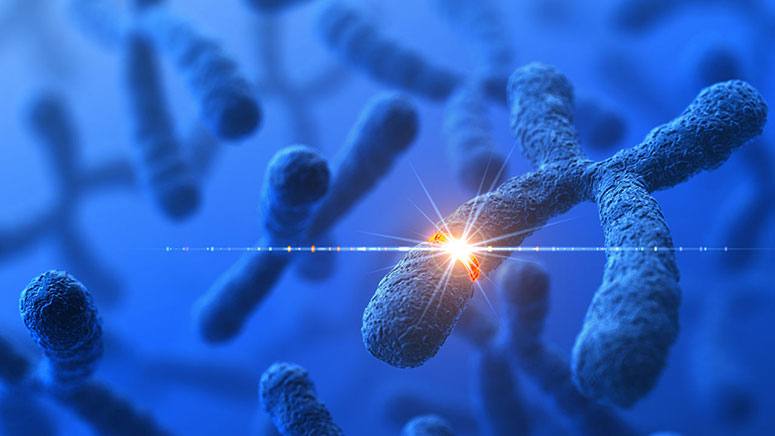
Mutation in the gene called FBN1 responsible for making a protein called fibrillin-1 plays a big role in causing Marfan syndrome, this abnormal change in gene restricts the ability of the body to make proteins needed to develop connective tissue, it is imperative to know that, not every mutation of this gene leads to Marfan syndrome, some changes do not affect the function of the protein or gene so does not cause any medical abnormality. This protein binds with other proteins similar to it and forms a threadlike filament known as microfibrils; these filaments merge with growth factors to strengthen connective tissues, help to repair worn-out tissues and organs in the body. When this protein is absent or insufficient, connective tissues in the heart, bones, eyes, and other important organs of the body cannot develop, causing Marfan syndrome. Growth factors are present in excess with no microfibrils to bind with; this leads to a decrease in elasticity of tissues throughout the body, causing excess growth and unstable tissues. An unprecedented genetic change in the sperm or egg can make a parent without Marfan syndrome have a kid that has it.
Hereditary
Marfan syndrome can be passed down from one generation to the next; it is gotten as an autosomal dominant trait; this implies that only one copy of the abnormal gene inherited from one parent, either the father or mother is enough to cause this condition. The alteration in the gene can be passed down from parent to child. Marfan syndrome does not skip a generation, so there is a high chance that at least a child will be affected.