
Diagnosis of Bacterial Infections
When making a diagnosis for your bacterial infection, your doctor will study the pattern of your symptoms. These include the location, timing, and severity of your symptoms.
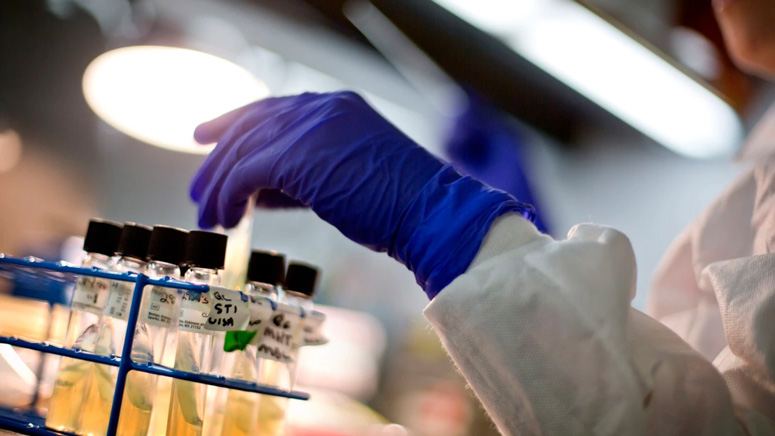
Some ways your doctor can confirm the diagnosis before prescribing a medication include:
- Taking fluid samples to check for sexually transmitted infections (STIs) [6].
- Taking a swab sample from your throat, ear or infected areas for evaluation.
- Taking a urine sample to check for bladder or kidney infection and a facial sample to determine the cause of persistent GI upset.
Blood Tests
Your doctor may conduct a blood test to determine the infectious bacteria. This would involve a complete blood count (CBC) to detect elevated WBCs. An increase in WBCs might indicate an infection.
A CBC with a differential can also be done to tell whether specific types of WBCs have increased in your blood. A blood test can also be used to identify the type of infection.
Imaging Studies
Imaging studies like an X-ray [7] can help diagnose certain infections like pneumonia. It is done to help identify abscess in or near internal organs.