
Urinary Stones
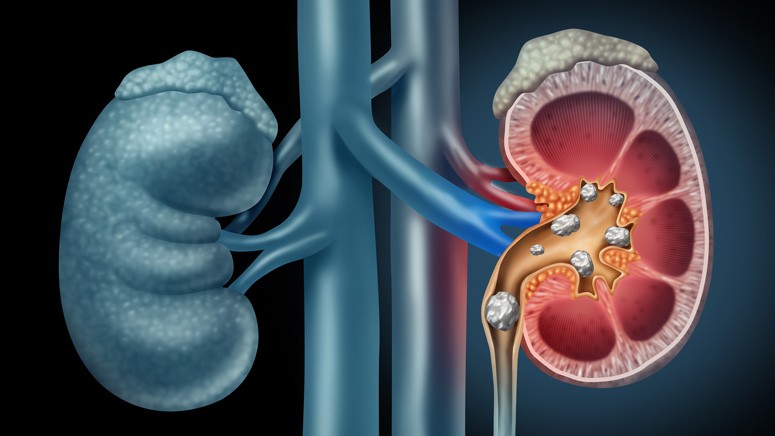
The ureter (the tube that transports urine from the kidney to the bladder) may get blocked with hard mineral deposits called kidney stones [1], which can be extremely painful. This can cause pain and discomfort to the groin, pelvis, and/or abdomen.
Both sexes experience it occasionally, but men are more likely than women to get renal stones. According to research, only 6% of females and about 11% of males will get kidney stones.
The size of the stone is not always a reliable indicator of the degree of pain that it may produce, and the symptoms and pain levels can vary. However, if any of the following occur, you should consult a doctor:
- Persistent pain
- Blood in the urine
- Fever and chills
- Distress that leads to nausea and vomiting
- Pain while urinating