
Heart Attack
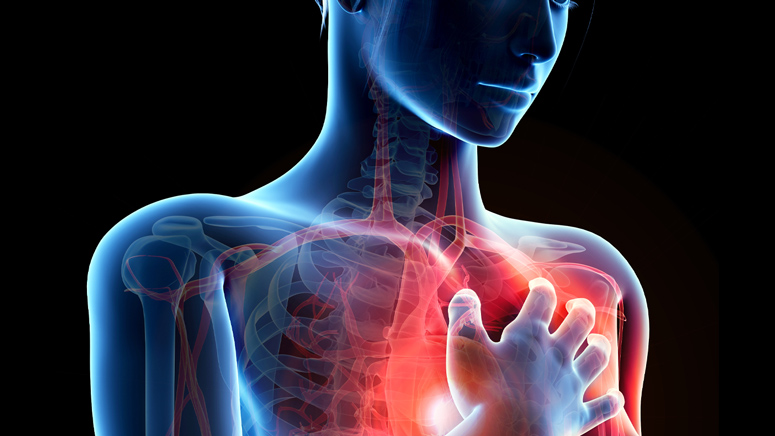
A myocardial infarct, often known as a heart attack, [6] is an urgent situation that poses a threat to life. For this reason, you should immediately visit the hospital if you think you may have an infarct in order to confirm the diagnosis and begin the proper therapy.
People who have uncontrolled hypertension, uncontrolled diabetes, excessive cholesterol, or an unhealthy lifestyle (such as smoking, getting little to no exercise, or being overweight) are more likely to experience an infarct. Find out what can cause a heart attack and how to avoid one.
The typical signs of a heart attack are severe, squeezing left chest pain, arm tingling, shortness of breath, coughing, and altered level of consciousness. Find out more about the most typical heart attack signs and symptoms.
How to Treat It
Immediately call 911 or head straight to the hospital if you think you’re having a heart attack. To prevent your symptoms from getting worse, try to remain calm. If you believe you are having a heart attack and you do not have any drug sensitivities, you can thin your blood by taking three ASA pills, or 300mg of aspirin. The cardiologist may have suggested a nitrate medicine to be taken in an emergency if you have a history of heart attacks.