
Managing and Treating Stress Fracture
Treatment recommendations will be made by your healthcare provider based on the location of the fracture and the intensity of your symptoms. The following are the most common treatment options for stress fractures:
- Rest: Give up all physical activity, particularly the sport or activity that broke your bone.
- Icing: Cover your wounded bone with ice or a cold pack. To prevent placing ice packs on your skin, wrap them in a thin towel. You can find out from your provider how often (and how long) to apply ice to your ailment.
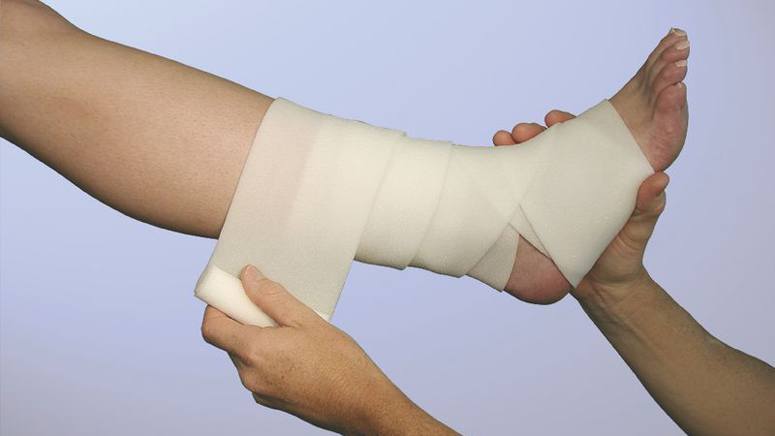
- Compression: Compression helps lessen swelling and blood flow to the fractured bone. Either wrap or apply a compression bandage around the fracture.
- Pain relievers: Acetaminophen (Tylenol®) and nonsteroidal anti-inflammatory drugs (NSAIDs) available over-the-counter (OTC) can both ease pain and reduce swelling. Your provider might prescribe over-the-counter lidocaine patches to numb the fracture region. Avoid using painkillers for longer than ten days in a row without talking to your provider.
- Elevating your injury: Make every effort to maintain the elevation of your injured bone above your heart. For instance, you can use pillows or cushions to elevate your leg when you’re lying down if the stress fracture is in your foot or leg.
- Immobilisation: To support your injury and lessen the amount of pressure you exert on it, you may need to wear a cast, boot, or special shoe.
- Crutches: To relieve pressure on your broken bone, your healthcare practitioner can advise you to use crutches.