
Diagnosis of Jaundice
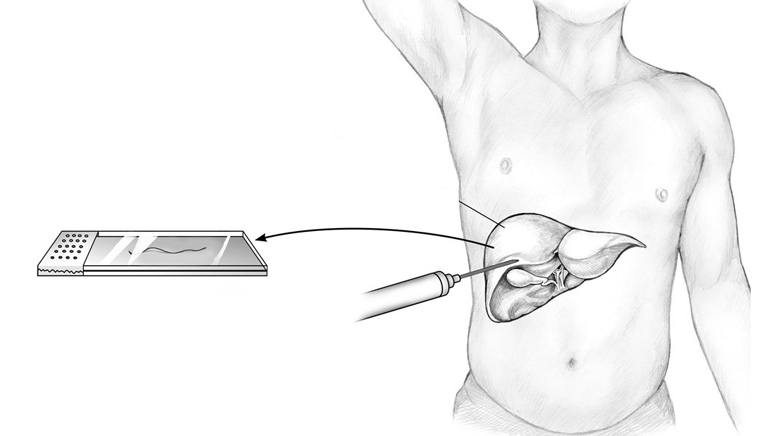
When clinical symptoms appear, it is necessary to urgently consult a doctor in order to establish an accurate diagnosis, the cause of the pathology, and start treatment. Without timely treatment, the pathological process can become irreversible, and liver transplantation may be the only chance to sustain life.
The presence of jaundice is usually detected through a medical examination. In this context, it is important to reiterate that jaundice is not a disease in itself but the visible manifestation of an underlying disease.
After carrying out a detailed questionnaire and carrying out the physical examination, the doctor may request to carry out some complementary tests, starting with blood tests, which will indicate the amounts of bilirubin and red blood cells present in the blood, in addition to showing the functionality of the liver through specific liver function tests. Other tests can still be performed, but many depend solely and exclusively on identifying the underlying cause of jaundice.
Among the tests [6] that can be ordered are:
- Hepatitis virus Panel check or check for liver infection
- Liver function tests to determine if the liver is functioning well
- Complete Blood Cell (CBC) count to check for low blood cell count or anemia
- Abdominal ultrasound
- Abdominal computed tomography
- Endoscopic retrograde cholangiopancreatography (ERCP)
- Liver biopsy