
How to care for the proximal nail fold
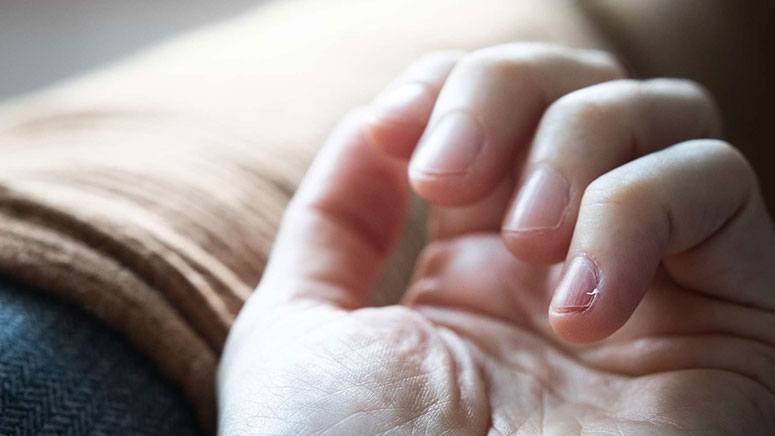
- Moisturize: keeping the skin around the fold hydrated and healthy helps to reduce nail infections. The use of oils like cuticle oil and coconut oil or hand creams and cuticle cream helps to moisturize the skin around the fold.
- Avoid cutting and trimming: the fold serves as the shield between the nail and the skin from harmful substances. Cutting the fold makes it easier for germs to enter. It also should be noted that the cuticle is also attached to the fold so, therefore, trimming of the fold also trims the cuticle.
- Avoid biting and chewing: unnecessary biting and chewing of the skin around the nail region exposes the fold and thereby allowing unwanted germs, bacteria and fungi into it and causing infections.
- Good hygiene: properly washing the hand and keeping the nails clean protects the proximal nail fold. Using gentle soaps also helps to reduce irritations of the fold.
- Avoid pushing it back: the American Academy of Dermatology (AAD) [8] also advises that we avoid pushing the cuticle in order not to touch the fold. Pushing it back opens up the space between the skin and the nail.
- Safety precautions: wear waterproof gloves if you know you are going to keep your hands wet for a long time. If you also know you are working with chemicals, make sure to wear gloves in order to prevent irritation.
Conclusion
It is important to note that the nail’s health is as important as the health of every other part of the body. The proximal nail fold is an important part of the fingernail and it helps protect the nail from irritants and allergies.it acts as the bridge between the skin and the nail matrix. The most common type of infection is paronychia. In order to avoid infections, make sure to avoid exposure to chemicals, trim less, avoid pushing it back and keep good hygiene.
References
[1] https://www.dictionary.com/browse/eponychium
[2] https://rarediseases.org/rare-diseases/dermatomyositis/
[3] https://www.healthline.com/health/systemic-lupus-erythematosus
[4] https://www.healthline.com/health/scleroderma
[5] https://www.webmd.com/skin-problems-and-treatments/eczema/atopic-dermatitis-eczema
[6] https://www.mayoclinic.org/diseases-conditions/psoriasis/symptoms-causes/syc-20355840
[7] https://www.who.int/news-room/fact-sheets/detail/diabetes
[8] https://www.aad.org/