
Different types of catatonia
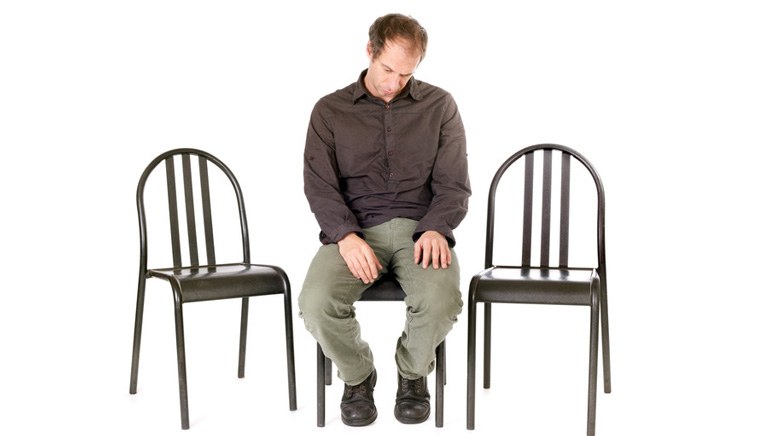
Mental health professionals classify catatonia into types, majorly three types:
- Akinetic catatonia
Akinetic catatonia is also referred to as retarded catatonia, this is the most common type. It causes slow movement, someone with akinetic catatonia will often stare blankly and won’t respond when spoken to, not because they don’t want to but that they find it difficult to. If they do respond it may only be to repeat what you said. Catatonia that causes one to sit or lie in unusual positions and are unable to move is known as akinetic catatonia.
- Excited catatonia
Excited catatonia is also known as hyperkinetic catatonia, with this type of catatonia, the person is able to move around but uncontrollable, the movement appears to be pointless and impulsive. People with this type of excited catatonia would seem agitated, delirious, or combative, they sometimes engage in self-harming behavior, which is why it is important that they are closely monitored and taken care of.
- Malignant catatonia
Malignant catatonia is a more complicated condition, it happens when the symptoms lead to other health problems, like unusual changes in blood pressure, body temperature, or heart rate. People with malignant catatonia are at risk of experiencing delirium, and are likely to have problems like dehydration, blood clots, or kidney failure.