
Treatment for peroneal tendonitis
Rest is important to aid in the healing of the tendons because peroneal tendonitis frequently results from overusing them.
Until the pain subsides, the person should refrain from walking or any other activity that can worsen the injury. The area needs time to heal, and eventually the pain will fade.
In cases of peroneal tendonitis, nonsurgical therapies frequently used include:
-
Immobilization: The use of a boot or support to prevent the foot and ankle from moving.
-
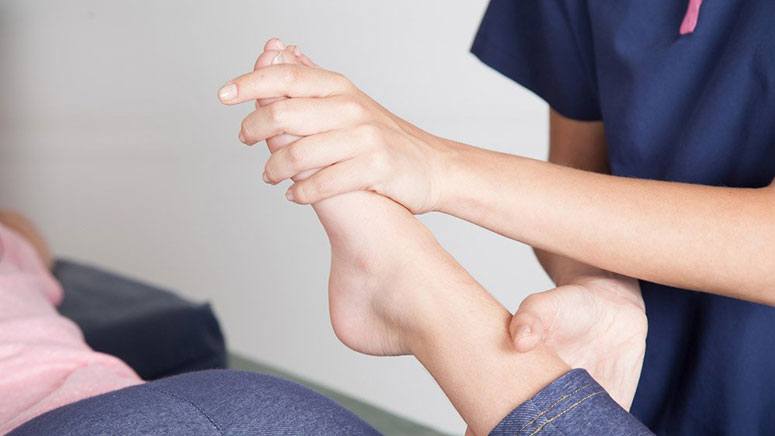
Physical therapy: can help with edema and pain management by using ice, heat, and ultrasound. Introduce workouts that build muscle strength and enhance balance and motion as soon as your symptoms start to get better.
-
Pain reliever: Ibuprofen [1] and other anti-inflammatory medications can be used to treat pain and swelling.
-
Bracing: Some persons might need a brace to wear while engaging in repeated ankle motion exercises.
-
Cortisone injection: In rare circumstances, doctors may advise the potent anti-inflammatory drug cortisone injection. Cortisone injections [2] into the peroneal tendons, however, increase the risk of rupture.
-
RICE method: You can perform RICE (rest, ice, compression and elevation) [3] at home. Rest by avoiding strenuous activities. Place an ice pack or cold compress to the affected area for 20 minutes every two hours. Wrap your ankle in a compression bandage to reduce swelling and keep your ankle elevated, preferably above the level of your heart.
When treating peroneal tendonitis, surgery is uncommon and typically only considered as a last resort if nonsurgical measures fail to relieve symptoms.
A procedure called a “tendon release” may be used by the surgeon to get rid of tissue that is irritating the tendons.
The surgeon will also try to repair the peroneal tendons if a tear developed as a result of excessive use.