
Procedure for antineoplastic chemotherapy
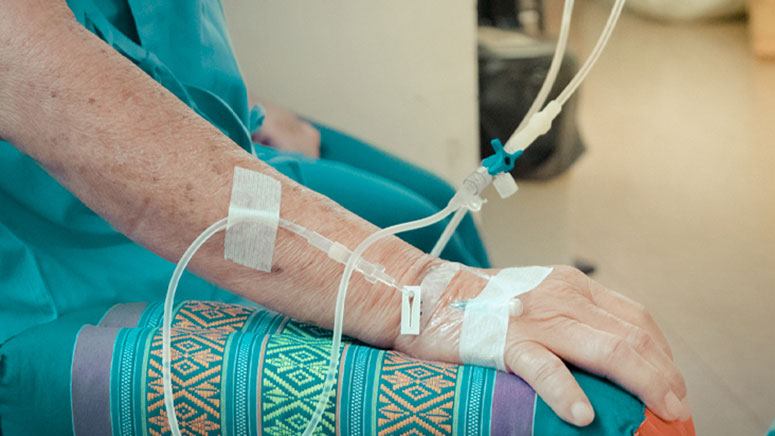
Only a professional healthcare provider should be allowed to administer antineoplastic drugs. They are usually given at the hospital through an IV directly into the vein. Some medications used to treat skin cancer can be directly applied to one’s skin.
Some other types of medication can be taken orally as pills. While others are delivered locally to your tumor either by injecting the medication into a nearby vein or by inserting a device that slowly releases the medication near your cancer.
Antineoplastic medication may last from 2 to 6 weeks. They are usually administered in cycles until the dose is finished. You take the drugs on certain days and use the remaining days to recover from them. Generally, chemotherapy can take up to 6 months, depending on the number of cycles you need. It also varies greatly on your type of cancer and how well you respond to treatment.
Antineoplastic drugs tend to kill healthy cells in your body, especially those that replicate quickly like skin, the lining of your digestive tract, and hair follicles. These can lead to side effects such as:
- Diarrhea [8]
- Constipation
- Anemia [9]
- Fatigue
- Hair loss
- Risk of infection
- Bruising and bleeding
- Dry skin
- Nausea [10]
- A drastic change in weight
- Poor concentration or focus
Most of these side effects resolve once your treatment is completed. Discuss with your doctor about the side effect you are experiencing, he may have to modify your drugs to reduce your side effects.