
Medications
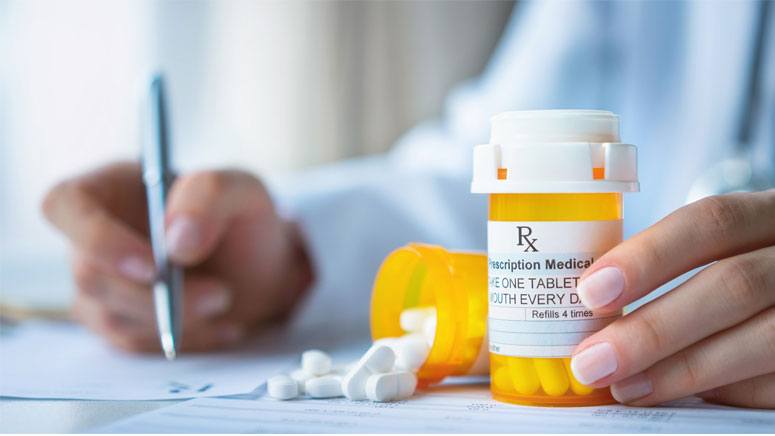
This mostly comes as a last resort when other approaches do not work. If the symptoms are persistent, then it is advisable to visit the doctor for proper drug recommendations and to know the proper dosage to follow depending on the severity of PMDD. The drugs that can be prescribed can be in different forms such as:
Birth control pills: in some cases, doctors have to prescribe off-label drugs for better treatment. These drugs contain 21 active pills and 7 placebo pills containing sugar. These drugs will prevent the period from coming and it may not be the safest form of medication, especially for someone that smokes or is above the age of 25.
Antidepressants: the main types of antidepressants that help to effectively treat the emotional and physical aspects of this order are selective serotonin reuptake inhibitors (SSRIs) [7]. They help to increase the serotonin in the body. Examples of these drugs are sertraline (Zoloft), fluoxetine (Prozac, Sarafem), and citalopram (Celexa), escitalopram (exapro). There are other antidepressants that are able to PMDD are buspirone, venlafaxine, and duloxetine (Cymbalta).
Supplements: some supplements have shown to act as a form of help for this disorder, it may not have a lasting effect but supplements are also recommended, some of them include: chaste berry extract which helps to reduce physical signs, and dietary supplements like vitamin B6, Magnesium and calcium, the list also includes evening primrose oil which protects from osteoporosis.
Gonadotropin-releasing hormone agonists (GnRH): this helps the ovaries to stop producing estrogen and progesterone. Although this may help as a treatment for PMDD it can have side effects that temporarily place the person in menopause. Before taking this medication, you need to make sure to your doctor first for proper advice and dosage, an example of this hormone agonist is leuprolide.