
How do I reduce carcinogens in meat?
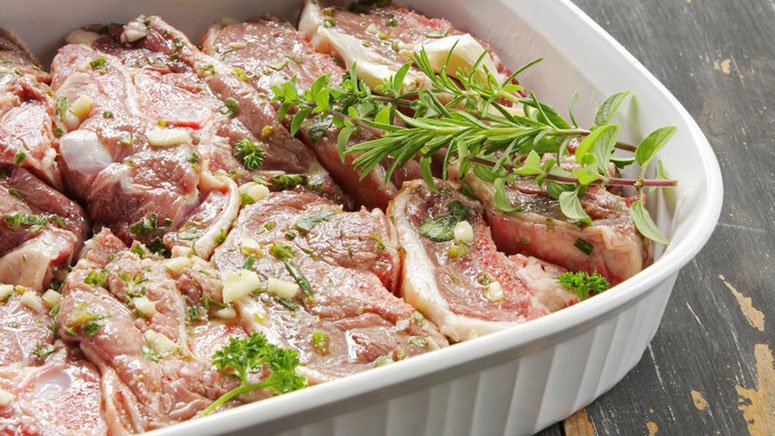
Although carcinogens are formed in grilled meat, you do not have to worry about canceling your barbeque party. There are steps to consider to reduce the formation of carcinogens, hence reducing the risk of developing cancer.
Some of these things to consider include;
- Marinate your meat: you should marinate your meat for at least 20 minutes before grilling. This reduces the formation of heterocyclic amines [6] by up to 90 percent. To marinate means to soak your meat in a sauce of oil, spices, vinegar, and herbs before cooking. The presence of herbs in the marinade helps to provide antioxidants.
- Microwaving: microwaving meat before grilling helps to release some of the fat presents in it. The presence of fat in meat increases the number of PAHs produced as a result of barbeque flare-ups. Microwaving also reduces the time the meat has to spend on the grill.
- Regular cleaning of the grill: Always clean your grill before or immediately after using it. Accumulation of charred dirt on the grill rack may lead to transferring some of these carcinogens to food. You can prevent this from happening by cleaning your grill and grill rack regularly.
- Cover your meat with foil: to reduce the impact of the direct flame on your meat, you can wrap it in foil. Some chefs puncture holes in the foil to ensure that the meat gets some flavour from the smoke and for better ventilation.
- Cook at low temperatures: you should cook your meat at a low temperature although you may feel the need to cook at higher temperatures to speed up the cooking process. Low temperature means a longer cooking time but does not be in haste be patient with the process.
- Cook with a gas grill: few studies have shown that grilling with charcoal increases the formation of carcinogenic substances. If possible, switch to a gas grill instead. But if you prefer to use a charcoal grill, purchase a fire chimney to avoid using lighter fluid.
- Remove excess fat: before placing your meat on the grill, try to remove excess fat from it. This is to reduce the number of PAHs that will be formed when the oil produced from the fat drops on either the hot coal or a very hot surface.
- Type of charcoal: Salmon grilled with coconut shell charcoal can help to reduce the amount of HAs and PAHs formed compared to the normal charcoal. Although, the difference between cooking with normal charcoal and coconut shell charcoal is not as significant in red meat.
- Reduce the flames: try to place your meat on the grill when the flames have reduced a bit. This will prevent the flames from touching the meat directly.
- Raise the grill rack: raising the grill rack will increase the distance between the fire and the meat. This will reduce the amount of fire touching the meat directly.
- Avoid large intake of BBQ: Even though BBQ is very tasty and tempting, you shouldn’t turn it into a daily meal. Some people go to barbeque parties at least 5 times a month and they eat over 20 in a week. Overeating BBQ will put you at risk of developing cancer. Although cancer might not show symptoms immediately, these harmful chemicals can accumulate in your body because they are not easily metabolized by the human body.
- Flip the meat often: according to research, it has been shown that fewer HAs are formed if the meat is flipped frequently while cooking in high heat.