
Removing & preventing black molds
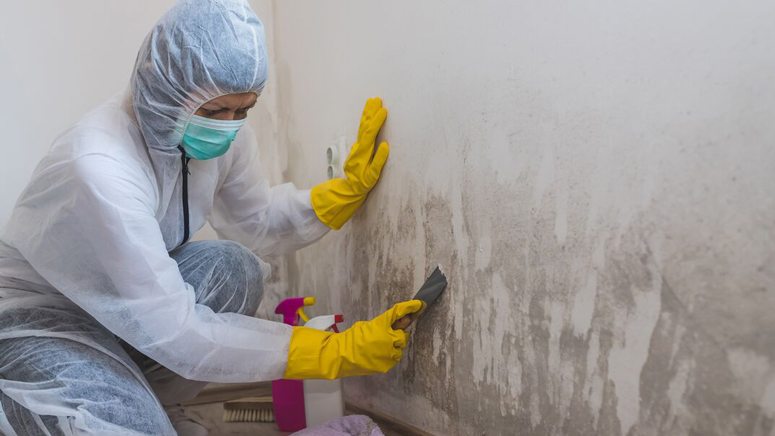
Here are some procedures for locating and getting rid of mold.
First you need to know how to spot mold in your house
- Dark patches or clusters that appear: Keep an eye out for patches or clumped growths, especially in warm, humid spaces.
- A musty odor: Mold may have a musty odor, which you may detect.
- Asthma or allergies: In your house, asthma attacks or allergy symptoms may also be a sign that mold is present.
- Possible causes: Inspect the area for signs of mold growth, such as leaks, water damage, poor ventilation, or stale food, documents, or wood.
- Getting rid of mold in your house: Fix any problems that are contributing to the growth of mold, and discard anything that has been contaminated by mold or is causing it to grow that you can’t clean.
- Put on safety gear: Cover yourself with a mask, gloves, goggles, and rubber boots as you work in the moldy area. You can also put on disposable clothing or a mold-resistant suit if you’re cleaning a lot of mold.
- Air out the space: To improve ventilation, all doors and windows should be opened.
- Sort, then toss: Anything in the area that hasn’t been impacted by mold growth should be removed. Anything that can’t be cleaned should be thrown away.
- Change any damaged building materials: Cut out and replace any carpet, ceiling tiles, or drywall that has mold damage.
- Fix any water issues: molds grow on moisture. Fix water problems and ensure the area is dry before you renovate the room.
- Scrub and disinfect: Cover and scrub nonporous surfaces affected by mold with bleach, a fungicide, or detergent and water, then dry them. Don’t mix cleaning products together.
It can be difficult or impossible to prevent molds, but you can reduce it in your home. You just need to understand what causes it, to prevent it from growing indoors.