
What Are the Do’s of Home Wound Care?
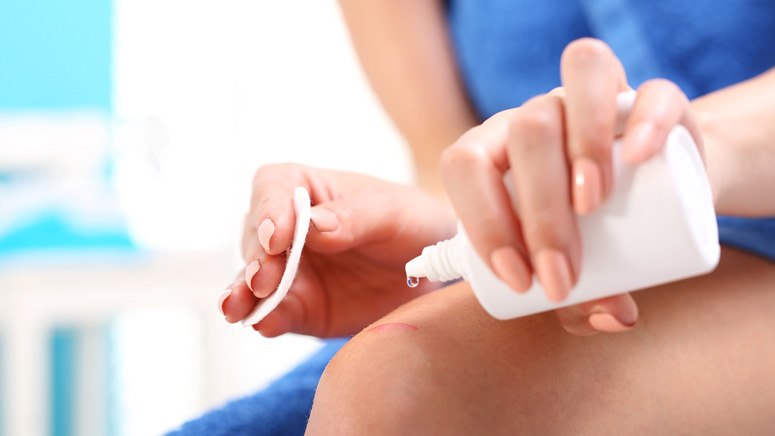
When giving home care to a wound, there are certain factors to consider, such as inspecting, diagnosing, dressing, and bandaging. It is important to know when the wound is severe enough to need immediate medical attention. For example, deep cuts that result in serious bleeding require professional medical attention.
However, if the wound does not require professional medical attention, there are certain things to consider when giving home care.
Learn the Essentials of Wound Cleaning
Whether the wound occurs due to a paper cut or a more severe injury, it is important to learn the essentials of wound cleaning:
- Wash your hands: Before touching the wound, make sure you wash your hands with soap and water. Wash them for at least twenty seconds. This will prevent you from passing any dirt, germs, or other dangerous material to the injured area.
- Stop the bleeding: Smaller wounds, like cuts, scratches, and scrapes, usually stop bleeding without any care. However, more serious injuries need special treatment to stop bleeding. For example, it would help to keep the injured area elevated and gently apply pressure to the area using a clean cloth.
- Rinse the wound: Use clean water to rinse the injured area. This is to ensure that the area is free of germs, foreign matter, and dirt. Use warm water, instead of hot water to prevent the skin from drying out and irritation.
- Gently wash the wound: Gently wash the injured area with a soft, clean cloth to form a lather with a mild soap. Get scrub the injured area and then rinse the soap from the wound bed. Ensure the injured area is dry before you continue giving it care.
- Dress the wound: Dress the wound with an ointment to prevent scanning and form a protective layer. Moisturizing also helps reduce scarring. Doctors recommend using Antimicrobial gel, Petroleum jelly, Hydrocolloid, and Foam dressing to dress wounds.
- Bandage the wound: To prevent infection from getting into the wound, it is important to bandage the wound after dressing it. Doctors recommend using a bandage that has an adhesive. However, you can strap gauze around the wound and secure it with power tape if your skin is sensitive to adhesive.