
Types of Mold
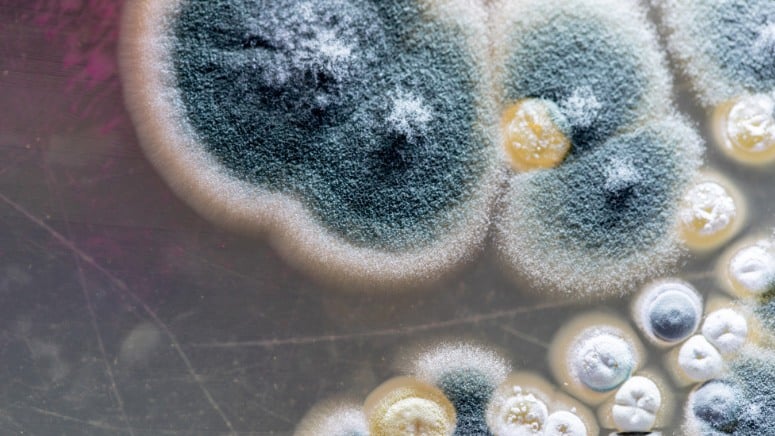
Molds can be categorized into various types. Different types of this organism can grow in the same area. It is impossible to identify the types of mold without testing. However, you can eliminate molds in your environment without knowing its type.
The most popular types of molds found indoor include:
- Aspergillus: Aspergillus is a gray, green,or white, or gray type of mold with dark spots and a powdery look. This type of mold doesn’t require much ventilation. It can be found in fabrics, walls, attics, and basements, and on dry food items.
- Cladosporium: This type of mold is black, green, or brown. Cladosporium can be found in both warm and cool areas. It can also be found in carpets, fabrics, or wood, and in cooling and heating ducts.
- Penicillium: This type of mold is yellow, blue, or green. It’s commonly found under carpets, in basements, and in insulation, mostly when water damage occurs.
Some other molds are also found indoors, but not as common as the ones listed above. They include:
- Alternaria: This is a fuzzy white mold that contains black spots. It usually grows in fabrics and wallpaper, near windows and air conditioners, and in bathrooms and kitchens.
- Aureobasidium: This type of mold is pink and contains black spots. It is commonly found on wood, walls, caulking, and grout.
- Stachybotrys chartarum: It is also known as black mold. It is a greenish-black mold that grows on substances with a high cellulose content. It is often found on gypsum board, fiberboard, and paper.
- Trichoderma: This is a creamy white mold that turns green when it releases spores. It is commonly found on wood, windows, and in kitchens and bathrooms.