
Causes
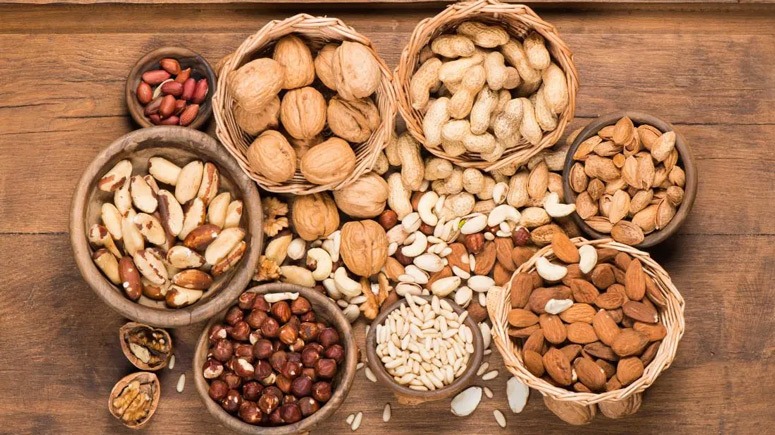
Steatorrhea may be caused by foods high in fat and fiber, which include nuts. It is not a major health problem and it occurs after consuming foods with high levels of fat, fiber and potassium oxalate. Consuming meals with high levels of indigestible or fats that are difficult to digest makes you more susceptible to steatorrhea.
One of the most popular causes of malabsorption is cystic fibrosis. This is an inherited condition that disrupts your sweat and mucous glands, as well as other organs in your body, including the pancreatic glands. If steatorrhea is caused by malabsorption, it can most often be related to problems with pancreas function. The pancreatic juices are important in digesting fat content.
Another cause of malabsorption that can cause steatorrhea is chronic pancreatitis. Pancreatitis is an inflammation of your pancreas, an organ not far from the stomach. It releases enzymes to help you digest fat, protein, and carbohydrates in your small intestine.
Chronic pancreatitis can be caused by many factors. Some examples are alcohol use disorder, smoking, and family history.
The fatty stool is also a symptom of exocrine pancreatic insufficiency (EPI). EPI is a condition where your pancreas doesn’t produce or release sufficient enzymes needed to help your digestive system break down food and absorb nutrients.
With EPI, steatorrhea happens when your digestive system gets rid of too many fats instead of absorbing them. This usually occurs when fat-digesting enzymes in your pancreas drop to 5 to 10 percent of typical levels
Consuming these foods and drinks may cause steatorrhea:
- nuts, especially whole nuts with the skin or shell intact
- oily, high-fat fish, such as escolar or oilfish which can be mislabelled butterfish or fatty tuna
- excessive alcohol
- artificial fats
- naturopathic or essential oils
- coconut and palm kernel oil
- whole-wheat products
When the Symptoms of steatorrhea are severe and persist for a long time, it indicates the presence of other medical issues, which include malabsorption disorder, enzyme deficiency, or gastrointestinal disease.
These Medical conditions can lead to steatorrhea:
- some pancreatic diseases
- cystic fibrosis
- kidney damage or failure
- liver damage or failure
- hypoparathyroidism or too little parathyroid hormone
- gallbladder cancer, gallstones, or gallbladder removal
- celiac disease: when you have a sensitivity to gluten, a protein in wheat, and certain other grains
- Crohn’s disease: one of several conditions under the label inflammatory bowel disease, an inflammation of your gastrointestinal tract
- lipids (fat) metabolism conditions, such as Gaucher disease and Tay-Sachs disease
- bacterial infections of the gastrointestinal tract, especially Clostridium difficile and Whipple disease
- gastric bypass surgery
- intestinal injury or damage
- diabetes [1]
- some diabetes medications
- kidney, liver, and pancreas cancer medications
- obesity medications, such as fat- and carb-blockers
- cholesterol medications
- parasitic infections, commonly Giardia
- HIV [2]
- tropical sprue
- amyloidosis
- congestive heart failure
- lymphoma or lymph damage
- Lactose intolerance: the inability to digest a sugar in milk products because you lack the enzyme lactase
- Whipple disease: a bacterial infection of your digestive system that affects how your body breaks down fats and carbohydrates