
Dosage
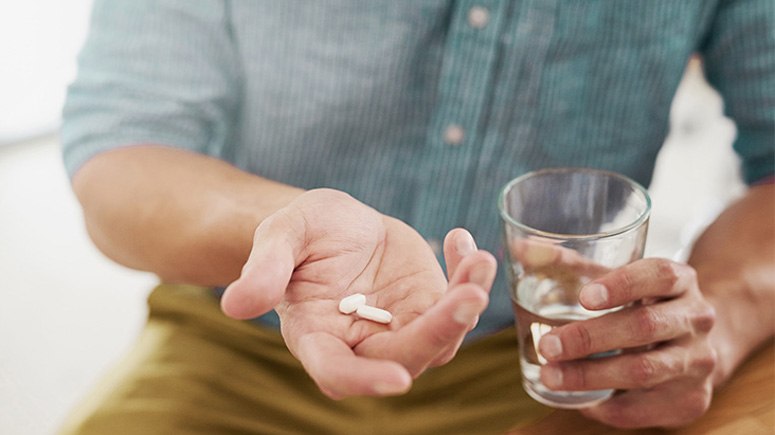
The dose, form, and how often you take Glimepiride will be based on:
- Your age
- The disease you have
- How serious is the disease?
- Other health issues you have
- Your reaction after the first dose
Glimepiride is available as an oral tablet.
Strengths: 1 mg, 2 mg, 3 mg, 4 mg, 6 mg, and 8 mg
Dosage for type 2 diabetes
Adult dosage (ages 18 to 64 years)
You can start with 1 mg or 2 mg once a day after breakfast or the first major food of the day. If necessary, your doctor may increase your dose by 1mg or 2 mg after a while. In some cases, your doctor may increase your dose every 1 to 2 weeks until your blood sugar levels are stable.
The maximum recommended dose is 8 mg, used once a day.
Child dosage (ages 0 to 17 years)
Glimepiride should not be prescribed to people under 18 years old because it may affect body weight and cause low blood sugar.
Senior dosage (ages 65 years and older)
People within this age can start their dose at 1mg once a day after breakfast or the first major meal of the day. Your health care provider may change your dose based on your blood sugar levels. Older adults tend to have more side effects, so doctors increase their dose slowly. You should not take higher than 8 mg per day.
Dosage in special cases
For people with kidney disease: The dose prescribed is always lower than normal because you’re more susceptible to low blood sugar levels. You begin with 1mg once per day with breakfast or the first major meal of the day. Your health care provider may change your dose of Glimepiride depending on your blood sugar levels. You should not use more than 8mg once per day.
For people with liver disease: The sensitivity to Glimepiride is higher than normal in people with liver disease. Your health care provider will give instructions on how to use it.