
Other ways to cope with the side effects of Parkinson’s medication
Diet and nutrition
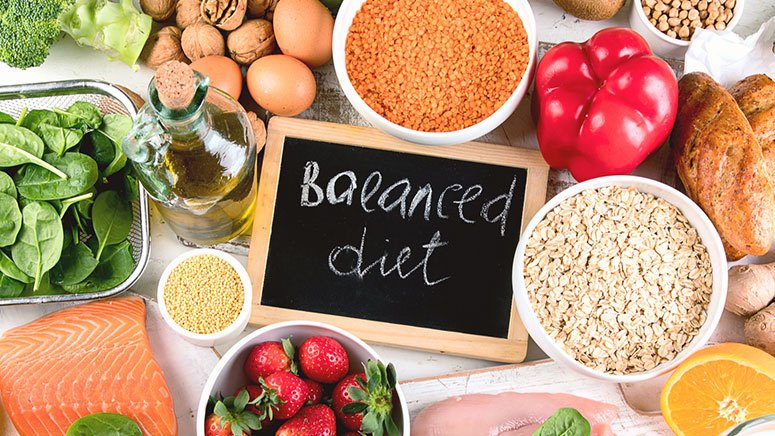
The National Institute on Aging [5] claims that the most lacking component in American diets is nutrition or the meals that give the body the proteins, carbs, vitamins, minerals, water, fiber, and lipids it needs to function at its best. Making the greatest diet and nutrition decisions is crucial to maintaining good health as PD worsens because some PD drugs and symptoms can make eating less enjoyable.
- See a dietitian or nutritionist for assistance in adjusting your demands to your lifestyle. They can create a meal plan that takes into account your preferences.
- The most crucial liquid to consume is water; if you don’t like it plain, flavor it with lemon or fruit juice. Every day, consume six to eight glasses.
- Fiber is essential for constipation prevention and provides natural sources of vitamin E, which may have a protective effect against Parkinson’s disease (PD). Examples of fiber-rich foods include whole grain bread, brown rice, green leafy vegetables, and nuts.
- Dairy products contain elements that support bones, these include calcium, magnesium, and the vitamins D and K [6].