
Treatment for Sacroiliitis
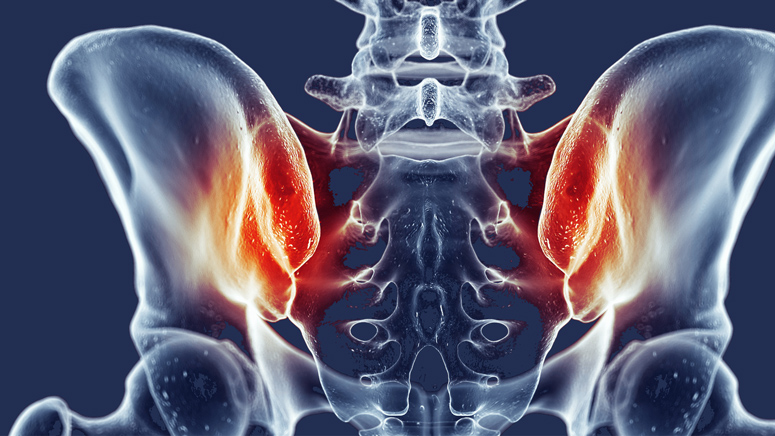
Treatment of sacroiliitis depends on the severity of the condition and the amount of pain you’re experiencing. However, in most cases, sacroiliitis can be treated via a combination of adequate rest, ice/heat therapy, and anti-inflammatory drugs such as ibuprofen. When you combine these basic treatments, the inflammation and pain that accompanies sacroiliitis will reduce, and this will allow the body to supply nutrients needed for healing to the affected parts of the sacroiliac joints.
If the symptoms accompanying the condition are severe, your doctor might recommend sacroiliac joint injections to help reduce pain. A numbing agent, such as lidocaine, [1] and a steroid will be administered before the injection. The steroid must contain a potent anti-inflammatory drug[2] and it will be administered directly into the sacroiliac joint using fluoroscopic guidance. Your doctor may recommend taking the injections three to four times a year. You will also have to undergo physical therapy to facilitate proper rehabilitation of the joint.
Surgery is usually the last treatment option. Doctors recommend surgery based on the severity of your condition and effects of other treatments. While it is rarely needed, patients who feel severe pain and are not responding to nonsurgical options may have to undergo surgery. Surgical procedures will help stabilize the joint and increase its strength. They can also help fuse the joint together via controlled invasive procedures.
Sacroiliitis may occur due to various factors. Treatment and diagnosis usually depends on the causes and factors responsible for the condition. Let’s take a look at 15 common causes of sacroiliitis.