
Fibers to Take When Experiencing Ulcerative Colitis and Does an Excessive Fiber Intake Worsen Colitis?
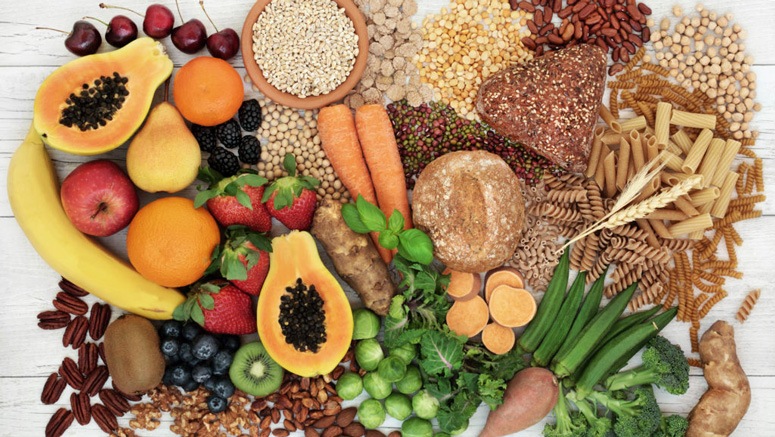
It’s crucial to consider the fiber’s texture if you experience a lot of symptoms, have fistulas, intestinal strictures, or have just undergone surgery. Increasing the fiber kinds that are already well tolerated may be beneficial. If you can manage those items, you can move on to fiber-rich foods that are more difficult to digest. Fiber-rich foods that are typically well tolerated include:
- Fruits: recommended fruits include bananas, applesauce, honeydew, peeled or sliced apples, and fruit that has been cooked into a compote or combined into a smoothie.
- Vegetables: Carrots, zucchini, potatoes or sweet potatoes without the skin, green beans, summer squash, and other vegetables that are well cooked, can be juiced or combined into a smoothie.
- Beans and legumes: hummus, tofu, and pureed beans.
- Grains include white or sourdough bread, white rice, instant oatmeal, polenta, pasta, and noodles.
- Peanut, almond, chia, and tahini butters are examples of nuts and seeds.
If needed your doctor will give specific instructions on the type of fiber rich foods to avoid
Some people may experience worsening symptoms from fiber when their UC flares. With insoluble fiber, which doesn’t dissolve in water, this is especially true.
The Crohn’s and Colitis Foundation claims that taking insoluble fiber can cause symptoms like abdominal pain, bloating, and diarrhea. If the inflammation is severe, it could even result in an obstruction in the intestinal tract.
People with inflammatory bowel diseases (IBDs) [5], such as UC, may benefit from limiting foods high in insoluble fiber.