
Diet for diverticulitis: what to do during an exacerbation?
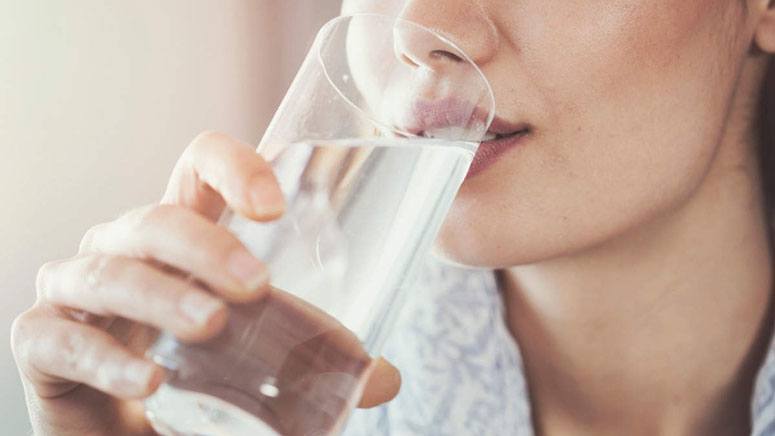
The diet for intestinal diverticulosis during its exacerbation should be especially strict. Many experts recommend complete hunger/fasting and plenty of fluids[7]. During the acute period, the symptoms are especially severe. The patient has abdominal pain, nausea, and stool disorders. The main aim of nutrition at this time is to relieve inflammation, normalize the functioning of the organ and restore digestion.
If the symptoms are very pronounced, the first day you can fast and drink more clean water. Fasting will give rest to the organ, relieve it. Fasting can last up to 3 days, depending on the severity of the condition.
You are allowed to eat any food from the permitted list above, but do not forget to drink enough water.
Such a diet will reduce the load on the digestive organs, speed up metabolism, improve stomach motility, and reduce the likelihood of constipation. You cannot overeat, especially if the pathology is accompanied by flatulence.
After eating, you need to feel full, but not heaviness in the stomach. With severe constipation, you need to add vegetable oil to the diet. Linseed and olive are especially useful. It can be taken on an empty stomach or added to vegetable salad.
If the disease has already appeared, then you should not forget about taking medications prescribed by your doctor. Some drugs are recommended to be taken even during remission to prevent pathology.
References:
[1] https://www.healthline.com/health/diverticulitis
[2] https://www.niddk.nih.gov/health-information/digestive-diseases/diverticulosis-diverticulitis/definition-facts
[3] https://www.medicalnewstoday.com/articles/323133
[4] https://pubmed.ncbi.nlm.nih.gov/28065788/
[5] https://www.gastrojournal.org/article/S0016-5085(17)30006-9/fulltext
[6] https://www.healthline.com/health/diverticulitis-diet-list-of-foods-to-avoid
[7] https://www.healthline.com/health/how-much-water-should-I-drink