
Causes of blepharitis?
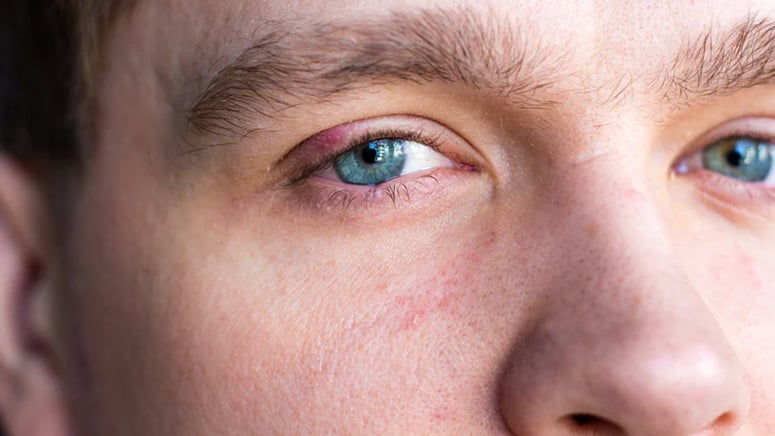
Blepharitis is likely to occur if you have issues with the meibomian glands that produce the oils found in tears, certain skin conditions or infections. There are also different causes of anterior and posterior blepharitis.
Causes of anterior blepharitis
- Acne rosacea: Rosacea causes facial skin inflammation, which can include your eyelids.
- ++Dandruff (seborrheic dermatitis): ++Dandruff flaking can irritate eyelids and cause inflammation.
- Allergies: If you are allergic to contact lens solution, makeup or eye drops, irritation can occur.
- Dry eyes: You can get an infection when dry tear ducts alter bacterial resistance.
- Lice or mites in eyelashes (demodicosis): Lice or Demodex mites can block eyelash follicles and glands in your eye. One study found that 30% of people with chronic blepharitis had Demodex mites.
Causes of posterior blepharitis
- Meibomian gland dysfunction (MGD): [1] When the oil from meibomian glands doesn’t flow freely, you can develop dry eyes, which can result in inflammation and infection
- Dandruff
- Acne rosacea
The symptoms you have may indicate a particular type of blepharitis: staphylococcal, seborrheic, ulcerative or meibomian. For instance:
- Seborrheic blepharitis has symptoms that include greasy flakes.
- Meibomian blepharitis causes your tears to be of poor quality.
- Ulcerative blepharitis may cause bleeding when you remove crusts.
- Staphylococcal blepharitis symptoms may include missing eyelashes or lashes that point the wrong way.