
What to Do if You Have a Burst Blood Vessel in Your Eye
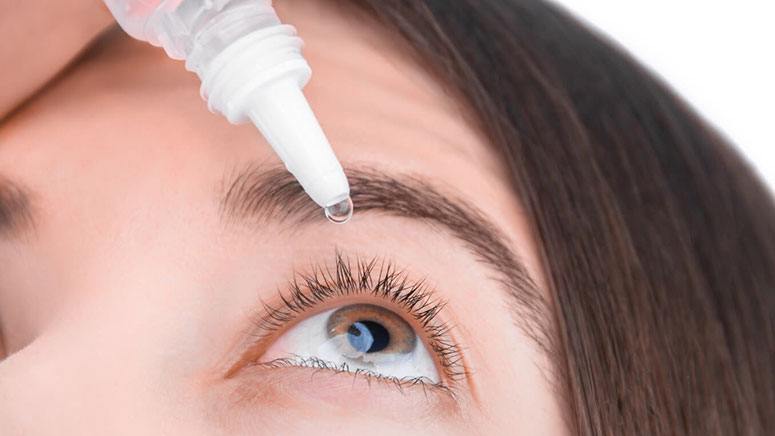
Treatment for subconjunctival hemorrhage is typically not required. If irritation develops, artificial tears (eye drops) can help. Within two weeks, most broken blood vessels are healed. Larger patches could require more time to fade. The color of the area may alter as the blood stops, fading like a bruise.
If you experience eye pain, consult an expert in eye care. This might be a sign of more severe diseases, like a hyphema, which is blood accumulating in front of the iris of your eye.
Your doctor or eye care professional can recommend tests if burst blood vessels frequently develop in your eyes in an effort to find an underlying cause. Occasionally, blood clotting disorders like hemophilia make this condition more likely.
A burst blood artery in the eye may occasionally necessitate medical treatment, though. For instance, you should seek medical attention if you have:
- If it has continued to happen a lot
- A burst blood vessel in your eye following a facial or head injury
- Burst blood vessels in the eye along with accompanying symptoms like vision loss, eye puffiness, or pain
- Unusual bleeding or bruises on other regions of your body
It can take a few days or a few weeks to go away, depending on how big it is. There is no way to make this process go faster.
Self-care: Any swelling and irritation can be reduced with the aid of ice packs and over-the-counter artificial tears.
Medical care: Any injury or illness that resulted in your subconjunctival hemorrhage, such as taking medicine for high blood pressure, will be treated by your doctor.