
How Is It Diagnosed?
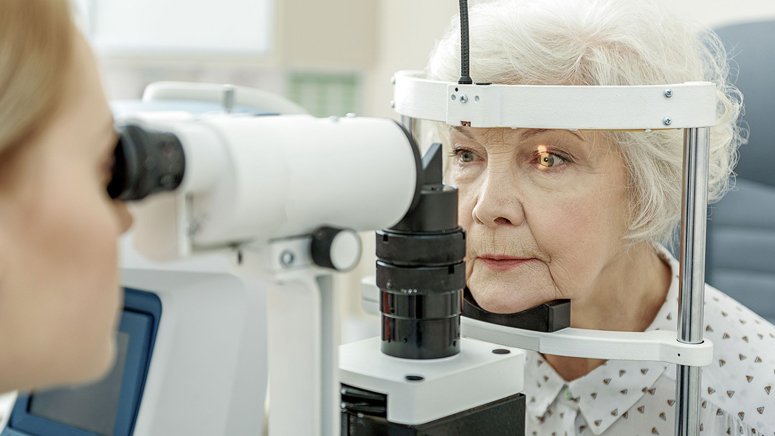
Eye pressure is commonly measured by a simple test called tonometry. In some cases, your doctor may also check for any signs of glaucoma. This may include examining the optic nerve and checking your peripheral vision.
Your visual acuity must be tested before doing anything. In some cases, the doctor examines your cornea, anterior area, iris and lens with a specific microscope called slit lamp. The optic nerve must be observed for any damage; the pupils need to be expanded to ensure proper examination of the nerves.
Gonioscopy is a test done to check the drainage angle of the eye; this is done by putting a special contact lens on the eye. This test is vital because it shows if the angles are open, narrowed or closed and it rules out any other conditions that could cause increased intraocular pressure.
Your peripheral vision can be observed via an automated visual field machine. This test is done to confirm the absence of any visual field defects caused by glaucoma.