
Treatment for Tarsal Tunnel Syndrome
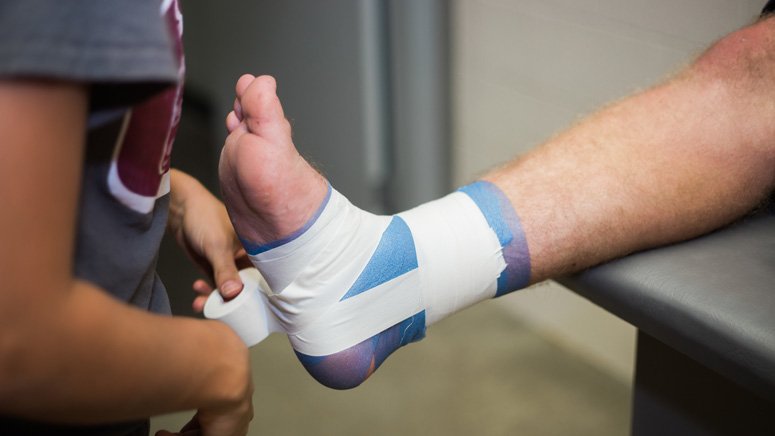
Many people can treat their tarsal tunnel syndrome symptoms at home or without a prescription. You could try:
- Rest: Avoiding using your foot for a few days or weeks can help the injury heal and stop it from getting worse.
- Ice packs: Use ice packs many times per day for up to 20 minutes. Foot icing might help with pain and edema.
- Compression and elevation: You might wrap your ankle in a supportive elastic bandage or brace. When feasible, raise your foot above your heart to lessen irritation.
- Nonsteroidal anti-inflammatory drugs (NSAIDs): NSAIDs, such as ibuprofen (Advil®, Motrin®), are available over-the-counter and may reduce pain and inflammation.
Additionally, your healthcare professional could suggest nonsurgical procedures like:
- Braces, casts, or splints: To promote nerve recovery, a cast or splint secures your foot in place. Your doctor could suggest a brace to relieve strain on your feet if you have flat feet or severe discomfort.
- Orthotics: Use custom-made shoe inserts (orthotics) if necessary. Your foot can maintain a correct arch with the aid of orthotics. The movements that induce nerve compression are lessened in this position. Additionally, pronation is prevented using a stability or motion-controlled shoe, which eases nerve pressure.
- Physical therapy: your doctor might refer you to a physical therapist, a specialist who would prescribe the best exercises and stretches to improve your strength and range of motion.
- Steroid Injections: as a means to reduce pain and inflammation, your doctor might prescribe oral steroids or steroids injections.
Do I need surgery for TTS?
Your doctor might advise a procedure called the tarsal tunnel release in severe, long-term cases. Your doctor will cut a line from behind your ankle to the arch of your foot during this treatment. They will relieve the nerve by releasing the ligament.
Some surgeons also employ a minimally invasive procedure in which significantly smaller incisions are made inside your ankle. The surgeon stretches the ligament with microscopic tools. The danger of problems and the length of recovery are both decreased since the tissues are not subjected to as much damage.