
Diagnosis of Syphilis in Those with HIV
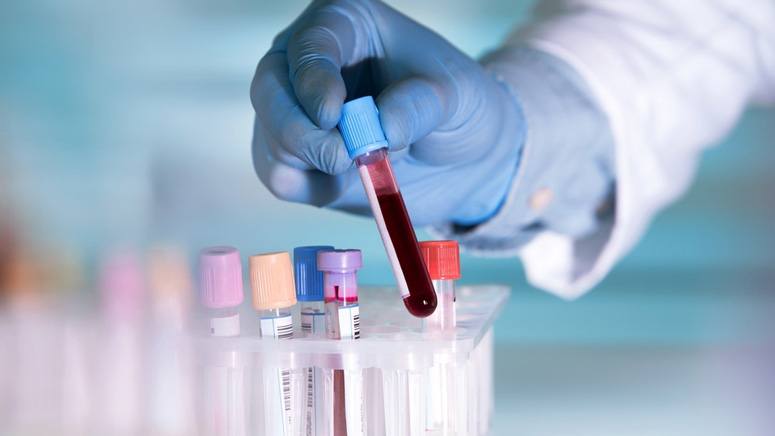
The process of diagnosing syphilis in HIV-positive individuals involves the types of tests in people who are HIV-negative. These tests include:
Blood tests
There are two different types of blood tests for syphilis diagnosis. These tests are approved by the CDC and are considered accurate and reliable in diagnosing people who also have HIV. The sample of blood will be taken from a vein in your arm. These tests include:
- Nontreponemal tests: These are tests that detect markers of cell damage due to syphilis infection. Examples of these tests include rapid plasma regain (RPR) [3] and venereal disease research laboratory (VDRL) [4] tests.
- Treponemal tests: These tests will be done if a nontreponemal test shows a reaction. These tests help detect antibodies in the syphilis bacteria. Examples of treponemal tests include rapid antibody test, fluorescent treponemal antibody absorbed (FTA-ABS) test, T. pallidum passive particle agglutination (TP-PA) test, and enzyme-linked immunosorbent assay (EIA) [5].
Using both of these tests is vital when diagnosing syphilis.
Microscopy
If you have syphilis sore your doctor may take a sample of fluid from it. This will be examined under a microscope to inspect for bacteria.
CSF tests
Your doctor may decide to test a sample of cerebrospinal fluid (CSF) if you show any sign of neurosyphilis. The cerebrospinal fluid (CSF) is collected using a procedure known as lumbar puncture.