
Diagnosing Varicocele
An expert in medicine (healthcare provider) can identify a varicocele. They will look over your medical background, probe you on your symptoms, and conduct a physical examination.
Your doctor might ask you to stand up during the physical examination, take a deep breath, close your lips and nostrils, and exhale forcefully. The Valsalva maneuver is as shown. As you hold your breath and struggle, they will feel your scrotum for swollen veins.
In order to validate their diagnosis, they might also request the following tests:
- Pelvic ultrasound: A non-invasive imaging test called a pelvic ultrasound allows your doctor to get a close-up image of the veins in your testicles. It’s the imaging test that doctors most frequently request to help them diagnose varicoceles.
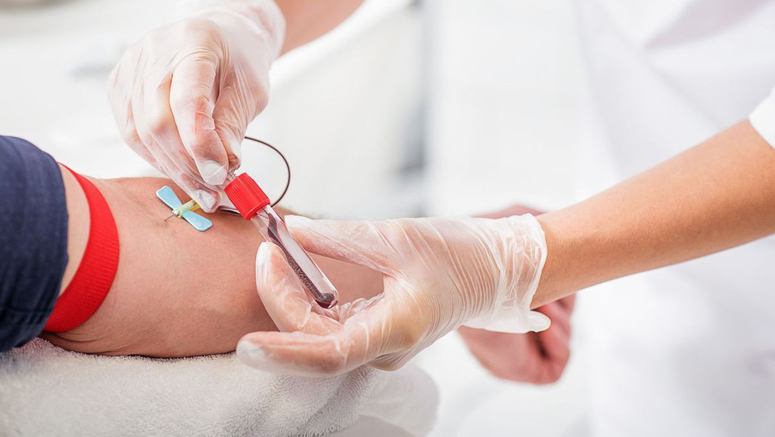
- A blood test: Your healthcare professional will take a small blood sample during a blood test using a tiny needle. Your blood will be sent to a lab, where professionals will examine your hormone levels, including testosterone [3] and follicle-stimulating hormone (FSH) [4].
- Semen analysis: during a semen analysis, your doctor will instruct you to masturbate [5] into a particular container. After that, your healthcare physician will send a sample of your semen to a lab, where specialists will check the sperm for presence and general health. If your healthcare professional is worried that a varicocele is affecting your fertility, they will request a semen analysis.
Your doctor will assess the severity of the varicocele after confirming its existence.