
What Are the Common Symptoms of Receding Gums?
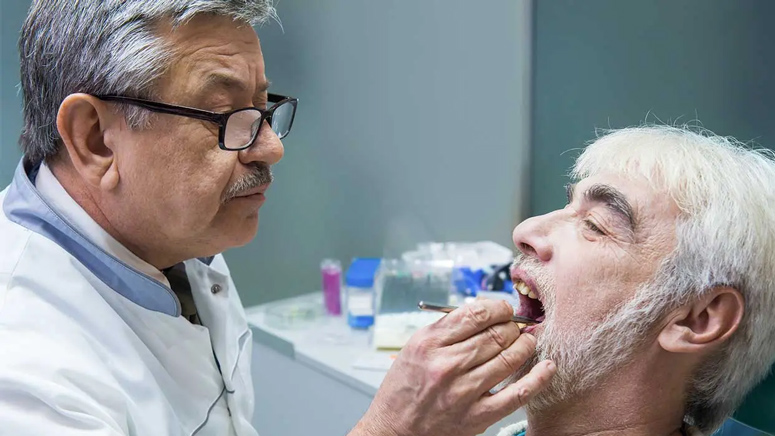
You may experience a wide variety of symptoms if your gums are receding. According to studies, here are some of the most common symptoms of gum recession:
- Long teeth: This is one of the most common symptoms of receding gums. The teeth usually become longer because of the recession of your gums. So, your teeth are not actually growing. Your roots will become visible, and in some cases, you may experience some pain when brushing.
- Exposed roots: As your teeth get longer, your roots start to appear, and become more sensitive to touch. You have to take extra care and be soft when brushing. Dentists recommend using a soft-bristled toothbrush and avoiding brushing too hard. It would help to contact your dentist regularly to learn tips that can help relieve the effects of receding gums. In severe cases, your doctor may recommend minor surgery as the most appropriate treatment option.
- Loose teeth: Loose teeth start to occur when periodontal disease and bacteria start to form under the gumline and around your teeth. If you don’t get treatment on time, harmful bacteria may start to accumulate and form pockets where bacteria will start to form. The bone structure around the teeth weaken, causing your teeth to loosen.
Recession of the gums is fairly common. According to studies, genetics and aging can cause gum loss even if you practice good oral hygiene habits. [1] There are many natural remedies that can help slow down the process.
You could experience periodontitis (gum disease), If the soft tissue and bone that hold your teeth in place become infected. If the infection is not treated on time, your gums will start to pull away or recede.
To treat periodontal disease, doctors usually recommend the following conventional treatment:
- Prescription antibacterial mouthwash such as chlorhexidine [2]
- Prescription antibiotic drug [3]
- Professional deep cleaning, also called scaling and root planing
- A surgical procedure known as a flap surgery to get to the roots, and possibly bone and tissue grafts
Let’s take a look at 12 natural ways to reverse gum recession.
Peppermint Essential Oil
According to a 2013 article in the European Journal of Dentistry, peppermint oil can help prevent the development of disease-causing microorganisms in the mouth.