
Hip and Knee Contractures Greater Than 30°
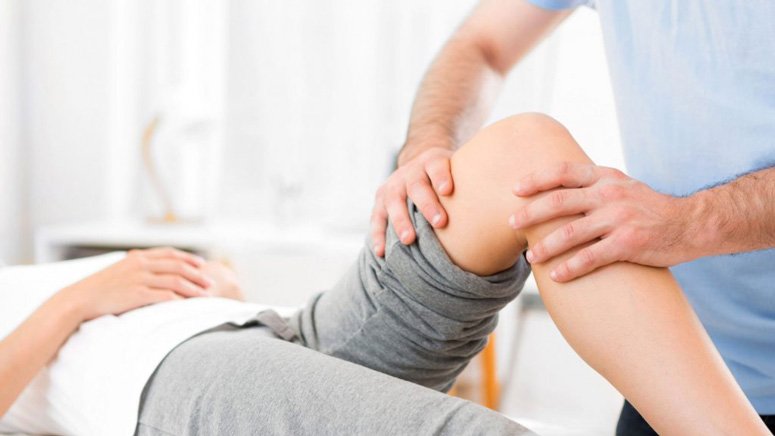
In most cases, hip and knee contractures that are greater than 30 degrees will require surgical treatment. If bilateral lower-limb paralysis is accompanied by weakness in one or both arms, it will be impossible to use crutches. A young child with new contractures will experience deformity due to the tightness of the tensor fascia latae and iliotibial band. However, in older children or adults, other tendinous and ligamentous structures are responsible for deformities. These structures must also be grouped to know the exact cause. The iliotibial band contracture causes ipsilateral flexion deformities of the hip and knee oside.
Two types of releases are involved in treating iliotibial band contracture. The first one, the Soutter release, involves releasing Soft tissue on the anterior retail aspect of the hip joint, and the tensor fasciae latae and gluteus maximus will be released from their origins because they help with the formation of the iliotibial band. On the other hand, the Yount release involves removing the thickened anterolateral fascia lata so that the knee contracture is better corrected.