
Surgery
There are some side effects to a sleep apnea surgery, which is why it is usually the final resort after all other options have been exhausted. You can undergo surgery to remove the excess tissue from the palate or throat that causes blockage. Different types of surgeries [4] can provide relief to sleep apnea.
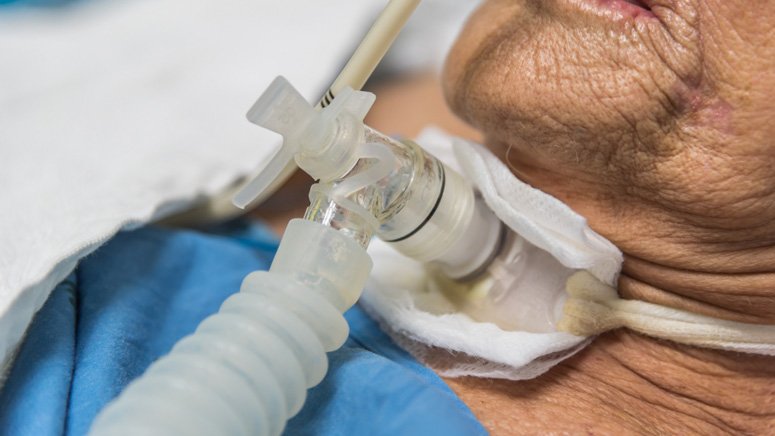
- Tracheostomy
During tracheostomy, the surgeon creates a permanent opening in your neck to your windpipe. This helps the patient to breathe better and has a high chance of curing sleep apnea that is caused by a blockage in the upper airway.
- Tonsillectomy
When swollen tonsils are the cause for sleep apnea, tonsillectomy, which is the taking out of the tonsils can help cure the condition. If the cause extends beyond swollen tonsils, this surgery may not cure it completely, but may significantly improve the symptoms.
- Adenoidectomy
Adenoidectomy and tonsillectomy is a combined surgery for the treatment of sleep apnea in children. Adenoids are tissues located in the throat, and their enlargement may cause sleep apnea. Having your tonsils or adenoids taken out can significantly improve the symptoms of this condition.
- Palatoplasty
Palatoplasty is a surgery that is used to correct palate obstruction. Uvulopalatopharyngoplasty (UPPP) is the specific type of this surgery that is used to treat sleep apnea. The surgeon repositions excess tissue in the throat to widen the airways for easier breathing. This surgery may include soft palate reconstruction and tonsils removal.