
Home Care Tips
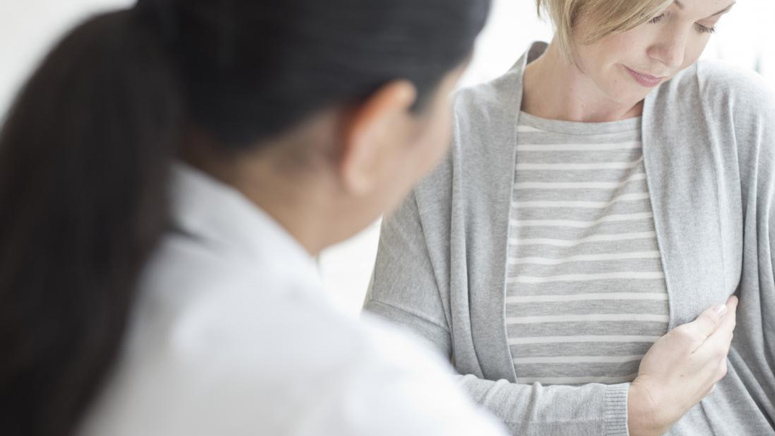
The primary treatment for subareolar breast abscesses is antibiotics to help fight off the infection. This is because the condition is a result of bacterial infection.
However, there are some home remedies you can apply to help reduce pain and discomfort while you recover from subareolar breast abscess, they include:
- Keep The Area Clean: Keeping the area clean will help prevent complications. For this, you should wash your skin and affected area with a gentle antibacterial soap. Wait for the area to dry before wearing a bra.
- Apply ice: Cover an ice pack in a cloth and place it on the affected breast for about 10 minutes at a time, several times a day. This will help reduce inflammation.
- Wear a Breast Pad: Wearing a soft breast pad in your bra will help drain pus and reduce any fiction that could cause discomfort. You can find a breast pad where they sell nursing products.
- Apply Cabbage Leaves: This remedy is used mainly for mastitis. First, clean the cabbage leaves, then place them in the refrigerator. When they are cold enough, place them on your affected breast. The cooling nature will help ease the pain.
- Take a Pain Reliever: Visit the nearest drug store and get over-the-counter pain relievers, such as ibuprofen (Advil, Motrin) or acetaminophen (Tylenol). This will help reduce pain and discomfort.
- Do Not Disturb the Abscess: Try as much as possible not to squeeze, push, pop or in any way disturb the abscess to avoid worsening your symptoms.
You should immediately contact your doctor if you are experiencing symptoms of a worsening infection, such as high fever, fatigue, spreading redness, and malaise.
Conclusion
A subareolar breast abscess is a rare type of breast infection that can occur to anyone. The condition will require immediate care from a healthcare professional. Diagnosis will be done to determine the treatment approach. Surgery may be required depending on the severity of the condition. To avoid complications it is important to work closely with your doctor and go for regular checkups.
Reference:
[1] https://medlineplus.gov/ency/article/002365.htm
[2] https://www.niddk.nih.gov/health-information/diabetes/overview/what-is-diabetes
[3] https://www.who.int/health-topics/obesity
[4] https://www.nhs.uk/conditions/mastitis/
[5] https://www.medicalnewstoday.com/articles/146309
[6] https://www.cancer.org/