
Foods to eat
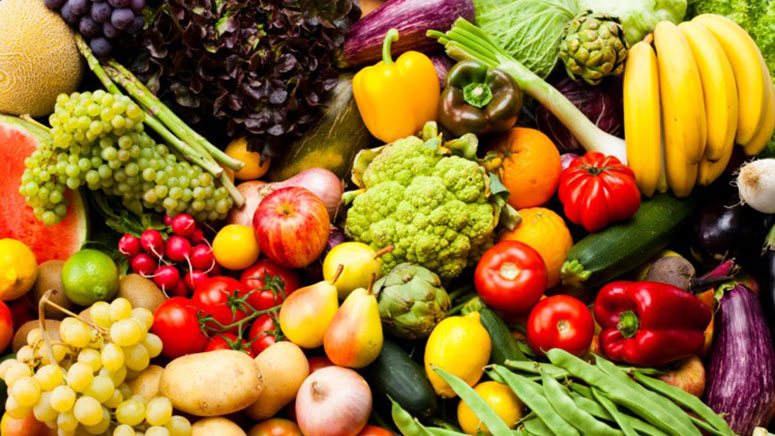
Studies have shown that an MS-friendly diet should help people with MS improve their symptoms. It should help manage disease progression and also reduce the effects that common MS symptoms have on the general quality of life.
You can have the following foods on an MS-friendly diet:
- fruits and vegetables: all fresh fruits and vegetables
- grains: all grains, such as oats, rice, and quinoa
- nuts and seeds: all nuts and seeds
- fish: all fish, especially fresh fish and fatty oily fish, such as salmon and mackerel, as they’re high in omega-3 fatty acids and vitamin D
- meats: all fresh meats, such as beef, chicken, lamb, and more, especially beef liver which is particularly high in vitamin D and biotin [4]
- eggs: good source of biotin, vitamin D, and other important nutrients
- dairy products: such as milk, cheese, yogurt, and butter
- fats: healthy fats, such as olive, flaxseed, coconut, and avocado oils
- probiotic-rich foods: such as yogurt, kefir, sauerkraut, and kimchi
- beverages: water, herbal teas
- herbs and spices: all fresh herbs and spices
The instructions for an MS-friendly diet are similar to a general nutrient-rich, well-balanced diet. However, it involves consuming more plant-based foods and grains. That is because plant-based foods and grains are richer in fiber, vitamins, minerals, and fluid, which can help with MS symptoms, including constipation [5], fatigue, and bladder dysfunction [6].
They’re also higher in plant-based compounds that work as antioxidants, which are molecules that help protect your cells against free radical damage and inflammation. These compounds may help fight inflammation and possibly stop MS progression.
Fish, especially fatty fish, such as salmon and mackerel, are known to be beneficial for MS because they’re high in anti-inflammatory omega-3 fatty acids. They’re also high in vitamin D, which can help keep your bones strong when combined with calcium.
Current research on the effects of red meat and saturated fat intake on MS symptoms has given different results. However, eating red meat in moderation, while focusing on more fruits, vegetables, and grains, may be beneficial for people with MS.
Daily research also shows mixed results. In some studies, dairy products have been linked to disease activity. However, they’re a good source of calcium, vitamin D, vitamin A, and potassium, so you can add them in moderation on an MS-friendly diet. Speak with your doctor if you believe dairy products are making your MS symptoms worse.
Also, some research shows that people with MS may be more susceptible to celiac disease, an autoimmune condition that causes damage to the small intestine in the presence of gluten. Gluten is a group of proteins in wheat, barley, and rye.
If you have MS and experience extreme discomfort when eating gluten-based products, such as bread, pasta, crackers, and baked goods, it’s important to tell your doctor to see whether you have celiac disease. Other manifestations of celiac disease are bloating, diarrhea, fatigue, abdominal pain, chronic headaches, and anemia. People with MS who do not have celiac disease may still benefit from healthy grains in their diet.