
Sardines
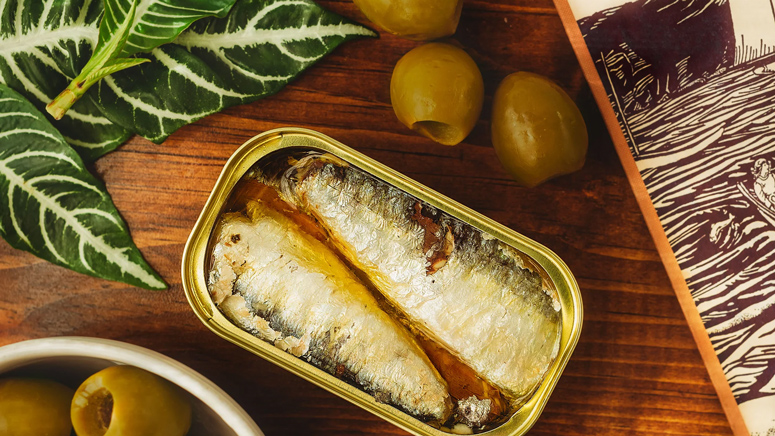
Sardines are very small oily fish usually eaten as appetizers, delicacies, or snacks.
They are highly nutritious, especially when eaten whole. They contain almost every nutrient your body requires.
A 100 grams (3.5 oz) serving of drained sardines provid d more than 370% of the DV for vitamin B12, 24% for vitamin D, and 96% for selenium.
Content of Omega-3: 1,463 mg of DHA and EPA together per cup (149 g) of canned Atlantic sardines, or 982 mg per 3.5 oz (100 g).
Flaxseed
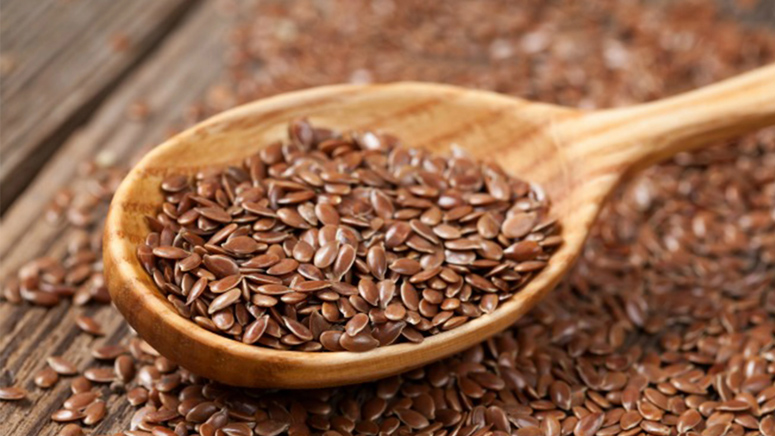
Flaxseed are small brown or hello seeds that are usury, milled, ground, or pressed to extract oil.
They are the richest whole food source of the omega-3 fat alpha-linolenic acid (ALA). Therefore flaxseed oil is often used as an omega-3 supplement.
It is also a good source of other nutrients including fiber and magnesium. The seed has a great omega-3 to omega-6 ratio compared to most other oily plant seeds.
The best way to eat flaxseed is to use ground flaxseed or grind whole flaxseed in a coffee grinder, this is because your intestines cannot break down the tough outer shells of whole flaxseed.
Content of omega-3: 2.350 mg of ALAper tablespoon (10.3g) of whole seeds, or 7,260mg per tablespoon (13.6g) of oil.
Caviar
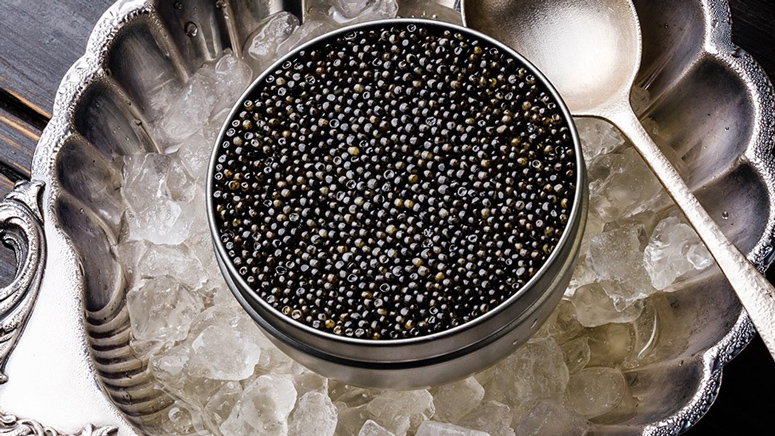
Caviar consists of fish eggs, or roe. Widely regarded as a luxury food item, it is most often eaten in small quantities as a taster, appetizer, or garnish.
Caviar is rich in omega-3 fatty acids and a good source of choline.
Content of omega-3: 1.046 mg of EPA and DHA combined per tablespoon (16g), 6,450 mg per 100 g.
Soya beans
Soybeans are a good source of vegetables, fiber and protein. They are also a good source of other nutrients including folate, riboflavin, vitamin K, potassium and magnesium.
Soybeans are very high in omega-6 fatty acids. Years back, researchers suggested that too much consumption of omega-6 may cause inflammation, but according to recent research the relationship between omega-6 fatty acids and inflammation may be more complex.
Omega-6 fatty acids may have many health benefits, such as lower the risk of cardiovascular disease. [7]
Content of omega-3: 670 mg of ALA in ½ cup (47 g) of dry roasted soybean, or 1,440 mg in 100g (3.5 oz).