
Polycystic Ovary Syndrome (PCOS)
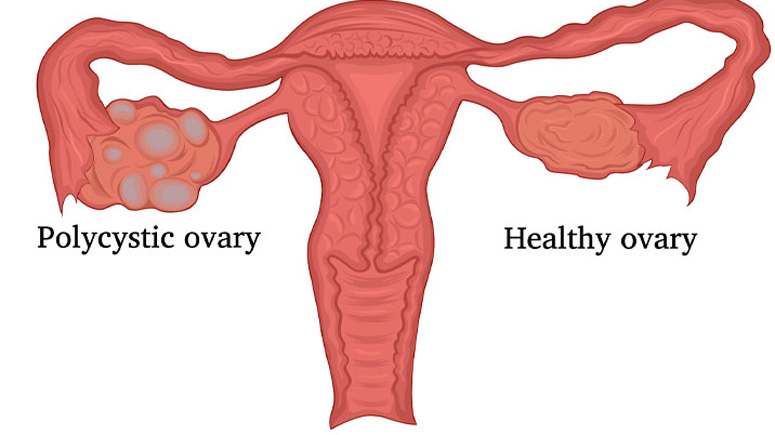
Although there is no general consensus on the method of diagnosing this disease, it is commonly diagnosed by missed periods, excessive production of androgen, acne, excessive hair growth, and cysts on one or both ovaries. When testing for the disease, doctors must first rule out gland problems [5] and other similar problems. Once the above listed symptoms are discovered in a patient, doctors can now begin to use the process of elimination to determine if the condition is present or not. PCOS can be hard to diagnose because it shares close symptoms with other similar diseases and it is important to try and rule out all other possible causes before settling on it. The lack of standardized testing makes it a tough disease to diagnose and treat but the chances of recovery improve once diagnosis is complete.