
Electrolyte Imbalance
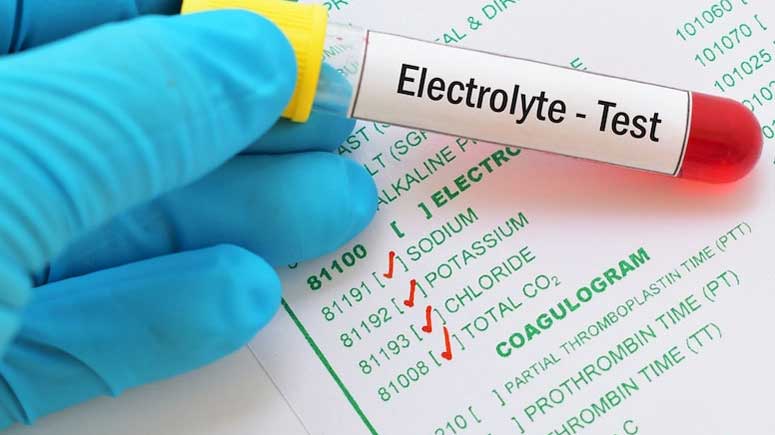
Electrolytes are natural elements in the body that are important in regulating physiologic functions. They control body temperature, fluid balance, heart function, and neurological function, among other things. These elements must be kept in the right proportion in the body. Common electrolytes are potassium, sodium, phosphate, calcium and magnesium.
An electrolyte imbalance happens when the concentration of these electrolytes in the body becomes too high or too low. The imbalance can gravely affect important physiologic functions. As electrolytes play an important role in neurological function, acute electrolyte imbalance might lead [11] to the occurrence of a seizure. This is often seen in patients who have hyponatremia (low sodium), hypomagnesemia (low magnesium), and hypocalcemia (low calcium).