
Risks of Copper
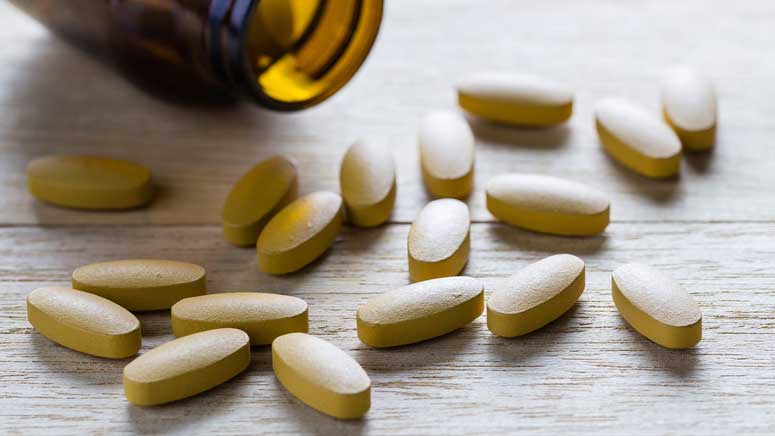
Copper supplements has its risks, usually when they interact with the following:
- Birth control pills and hormone therapy
- Non-steroidal anti-inflammatories (NSAIDS)
- Zinc supplements [8]
- Allopurinol, a gout treatment
- Penicillamine, used to reduce copper levels in Wilson’s disease
Copper’s interaction with these other drugs and products can either reduce or increase levels of copper in the blood, leading to imbalance.
Conclusion
Copper is an essential nutrient, and it is expected to be balanced in the body. Both its deficiency and excessiveness can cause negative effects on one’s health. To ensure you have the right amount of copper in your body, you simply have to follow a balanced diet. Meet your nutrient requirement through foods, and then supplements can be used as a back-up.
Reference:
[1] https://www.nhs.uk/conditions/cardiovascular-disease/
[2] https://www.mayoclinic.org/diseases-conditions/osteoporosis/symptoms-causes/syc-20351968
[3] https://www.webmd.com/a-to-z-guides/neutropenia-causes-symptoms-treatment
[4] https://www.mayoclinic.org/diseases-conditions/arthritis/symptoms-causes/syc-20350772
[5] https://medlineplus.gov/genetics/understanding/basics/dna/
[6] https://my.clevelandclinic.org/health/diseases/21966-myelopathy
[7] https://www.webmd.com/a-to-z-guides/understanding-anemia-basics
[8] https://www.healthline.com/nutrition/zinc-supplements