
Causes of hypophosphatemia
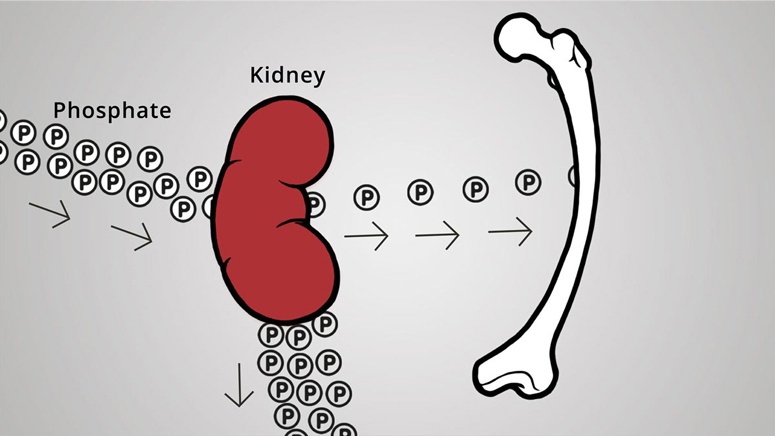
Acute and chronic hypophosphatemia are two types of hypophosphatemia, and they each have their respective causes. Acute hypophosphatemia appears extremely rapidly, however chronic hypophosphatemia takes a long time to develop.
Acute Hypophosphatemia
The most prevalent and severe form of hypophosphatemia observed in clinical settings is acute hypophosphatemia. Ones of its causes are:
- Getting out of diabetic ketoacidosis: Those who mismanage their diabetes or who are unaware they have it can develop diabetic ketoacidosis. When the body cannot create enough insulin, it enters this condition. Your body breaks down fat and uses it as fuel with the aid of insulin. When you experience diabetic ketoacidosis, there is an accumulation of acids in your blood, which can cause loss of consciousness or
- Chronic drinking: It is thought that alcoholism gradually reduces your kidney’s capacity to fully absorb phosphorus. One of the most frequent causes of hypophosphatemia is this. In the first three days after being admitted to the hospital for alcoholism, 50% of patients experience hypophosphatemia.
- Burns: An individual’s phosphate levels become dangerously low when they suffer from a serious burn because phosphate is a source of intracellular energy. Patients must therefore receive additional phosphate to keep healthy.
Chronic Hypophosphatemia
- Malnutrition/semistarvation: Over time, the body’s phosphorus reserves can be depleted by prolonged fasting, malnutrition, and anorexia. Hospital patients receiving refeeding are more susceptible to acute hypophosphatemia. Malignant tumors, Crohn’s disease [5], and recurring infections are further causes.
- Hyperparathyroidism: A hormone produced by parathyroid glands, which are found close to the thyroid, tells the body how much phosphorus it needs. The excessive release of this hormone and the excessive release of phosphorus are both symptoms of hyperparathyroidism.
- Hormonal problems: Similar or identical effects on the body might be caused by conditions like Cushing syndrome [6] or hypothyroidism. They may, for instance, trigger the body to release excessive amounts of phosphorus into the blood.
- Antacids and diuretics: The kidney’s capacity to absorb phosphorus can be greatly impacted by long-term usage of diuretics and antacids.
- Vitamin D deficiency: Lack of vitamin D affects the health of bones and their capacity to mineralize.
- Problems with electrolytes: Acute hypophosphatemia can also result from conditions like hypomagnesemia [7] and hypokalemia [8], which impair the body’s capacity to produce and absorb electrolytes.