
Treatment for infected hair transplant
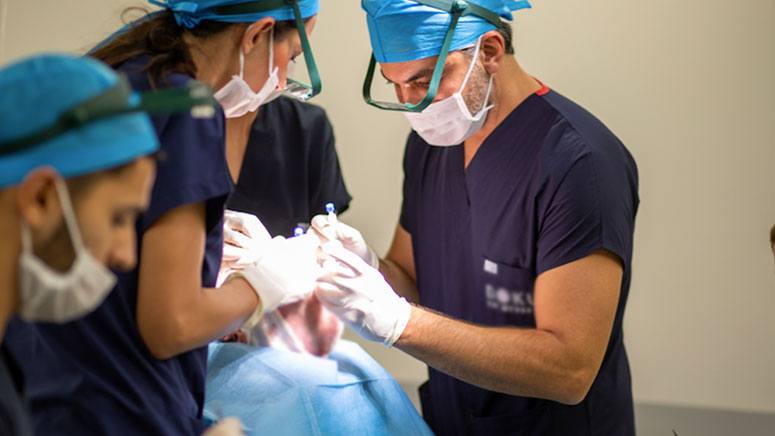
The first thing to do if you suspect your scalp has been infected after a hair transplant surgery is to reach out to your surgeon immediately. They will perform a comprehensive examination in order to make a diagnosis and, if necessary, arrange a treatment plan for you.
Medications to treat the infection may recommend antibiotics to be taken either orally or with topical application. Your doctor may also prescribe antibacterial shampoos with strict instructions on how to use them. If you have pus-filled abscesses [5] on your scalp, your surgeon would need to drain them to help facilitate the healing process.
However, the best thing is to avoid a hair transplant infection. There are certain ways you can minimize your chances of developing complications from a hair transplant surgery. They include:
- Avoid touching your wound
- Do not engage in strenuous exercise until your doctor says it’s okay.
- Abstain from alcohol and tobacco while recovering
- Have your procedure at a licensed clinic that follows good hygiene habits
- Ensure your surgery is done by a registered surgeon
- Do not miss your scheduled follow-up appointments
These steps would help reduce your risk of getting infected and also prevent complications and side effects such as folliculitis, shock hair loss, numbness, and some general wound healing side effects. Although the procedure rarely causes serious side effects, you should immediately call your doctor if you experience symptoms of infection.
Conclusion
Hair transplant infection is a rare complication as long as it is professionally conducted. Most infections aren’t serious but it is always a good idea to call your doctor’s attention to any sign of infection for proper treatment. Also, to avoid infections or minimize your chances of developing an infection your surgeon will give you some pre-care and post-care instructions. He would instruct you to not touch your open wounds as you can transfer bacteria to them.
References
[1] http://www.healthline.com/health/male-pattern-baldness
[2] http://www.medicinenet.com/nausea/symptoms.htm
[3] http://www.healthline.com/health/diabetes
[4] http://www.healthline.com/health/obesity
[5] http://www.nhs.uk/conditions/abscess/