
Bilirubin levels in newborn
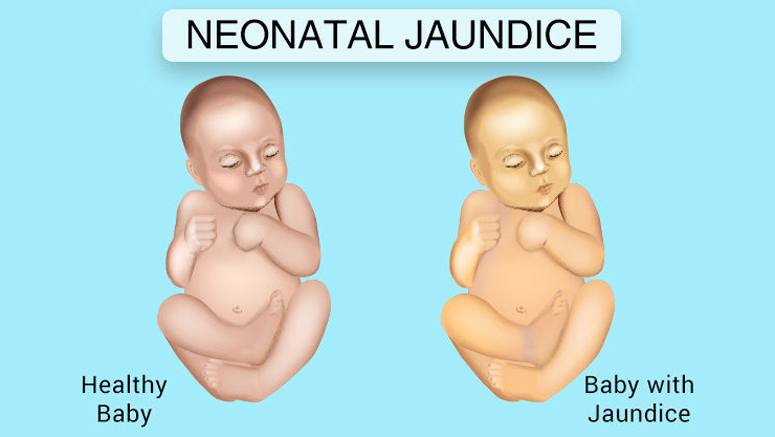
Numerous newborns get newborn jaundice a few days after birth as a result of excessive bilirubin levels. This is a transient disorder that often goes away on its own in a few weeks.
As a result of having more red blood cells and breaking them down more quickly than adults, babies’ livers are unable to keep up.
The liver of the pregnant woman assists in this process before birth. The liver’s activity in a newborn is only approximately 1% that of an adult’s.
Most frequently, jaundice develops between 1 and 3 days after birth when bilirubin levels are greater. As the liver develops, bilirubin levels can reach a peak of up to 18 mg/dL on the fourth or fifth day, and jaundice usually subsides within two weeks.
Regular bowel movements, which aid in the body’s removal of bilirubin, are encouraged by feeding 8 to 12 times per day.
If jaundice appears within the first 24 hours of birth, bilirubin levels are particularly high, or if they don’t start to drop naturally, doctors may intervene with therapies like:
- intravenous immunoglobulin therapy [7]
- exchange transfusion [8]
- phototherapy [9]