
More Allergens Are Present and The chances of Getting Dehydrated Increases
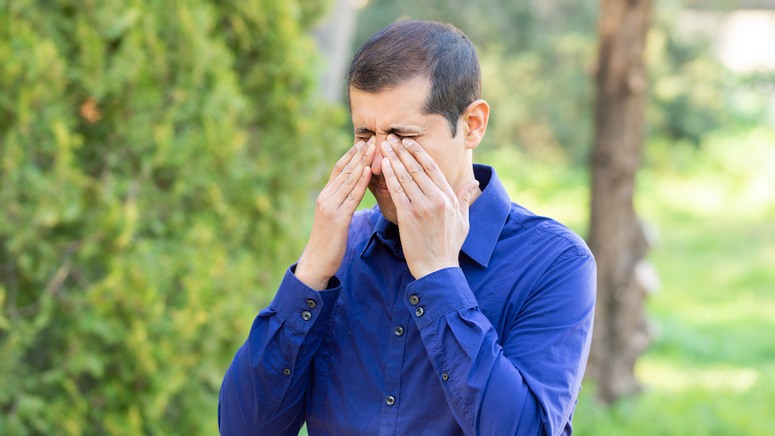
A popular feature of the summer and spring period is the increase in allergen count. For instance, pollen levels are usually higher during the spring and summer months, this implies that people suffering from allergies are more susceptible to symptoms of them at this period.
It is important to know that dry eye syndrome is not the same as an eye allergy, but they have similar symptoms and they are mostly confused for one another. Also, drugs used to treat eye allergies have the tendency to worsen the symptoms of dry eye.
In normal conditions, our body needs adequate water to function properly. The eyes also need water to ensure proper production of tear film and dispersal, it is much easier to become dehydrated in the hot summer.
In most cases, the body uses the water in the body for activities it considers more imperative during dehydration. These activities are maintaining the function of the brain, digestive activities and respiratory functions [2]. This implies that the eyes will not get enough water leading to inadequate production of tear film required to make the eyes hydrated. A research review was done in 2015 and it was discovered that dehydration could be linked to the development and worsening of dry eye symptoms.