
Gallbladder Surgery
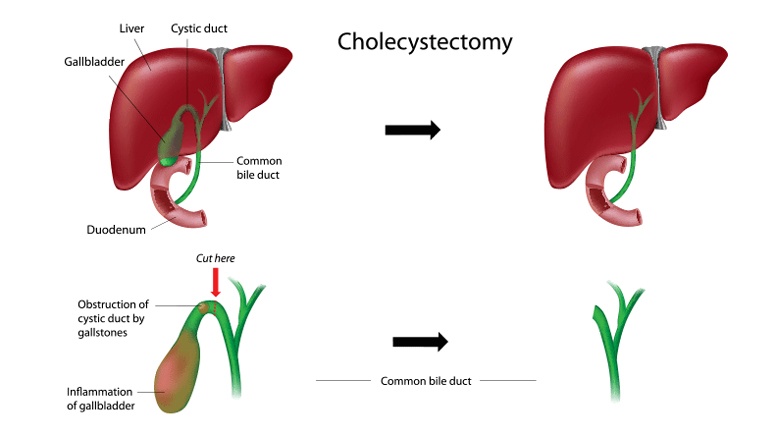
Gallbladder surgery is a treatment procedure for pancreatitis due to gallstones. The doctor may recommend surgery to remove the patient’s gallbladder, which is also called a cholecystectomy. This surgical procedure is often carried out by inserting a small camera and some surgical tools through four small incisions. These incisions help the surgeons see the abdomen and remove the gallbladder. There are certain risks that individuals may experience from gallbladder surgery. Examples of these risks include bleeding, infection, bile leak, injury to nearby structures, and risks of pneumonia or blood clots. In most cases, the surgical procedure is performed using general anesthesia to keep the individual asleep through the procedure. During gallbladder surgery, the doctor can either recommend minimally invasive cholecystectomy or the conventional open cholecystectomy. The latter involves the surgeon making a 6-inch incision in the abdomen below the ribs.